Rain is a reason to reshape the day, not to give up on it. Venice has extraordinary interiors, but the best wet-weather plan groups them sensibly and leaves time for a comfortable break between visits.
Choose a compact art pairing
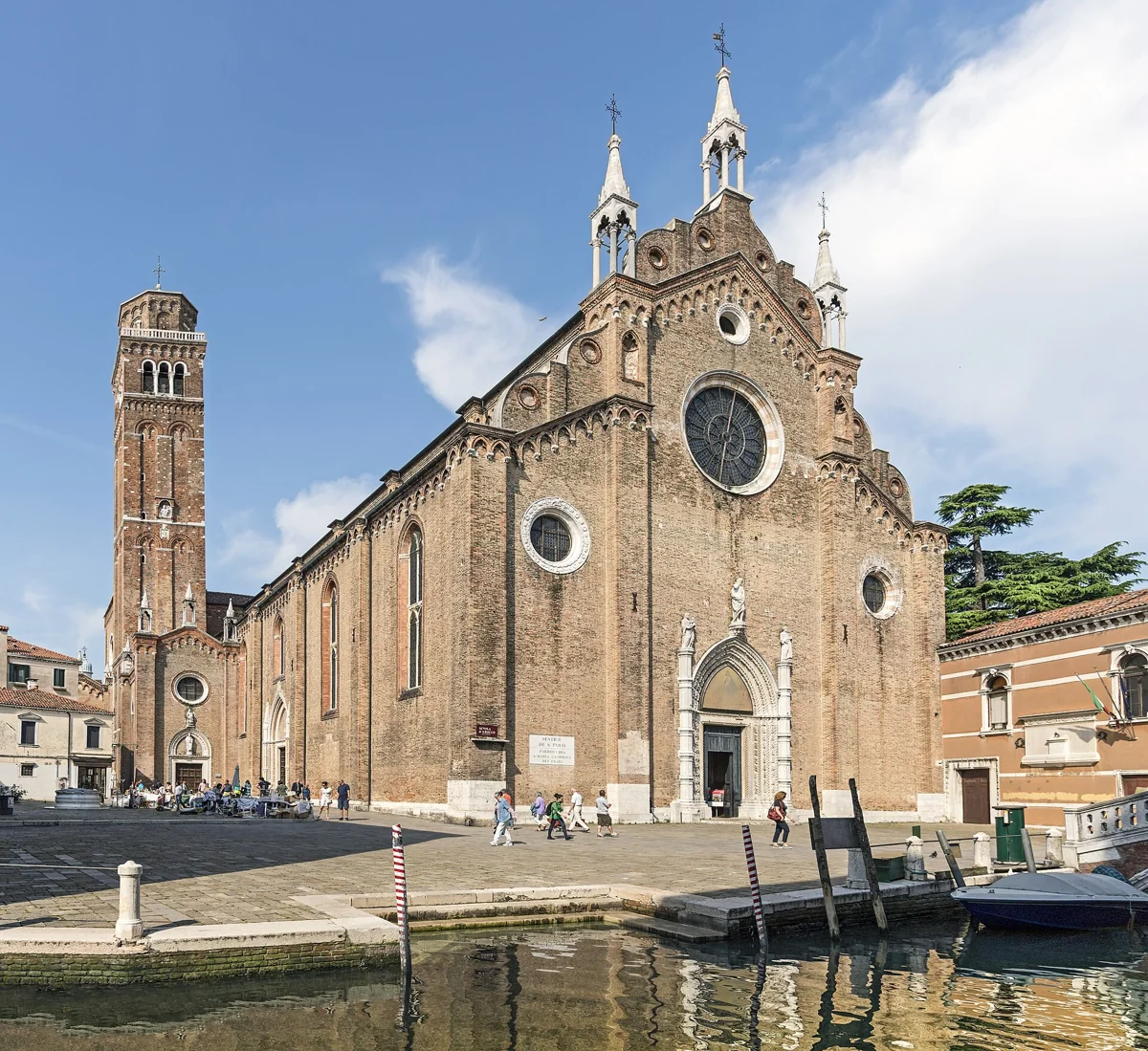
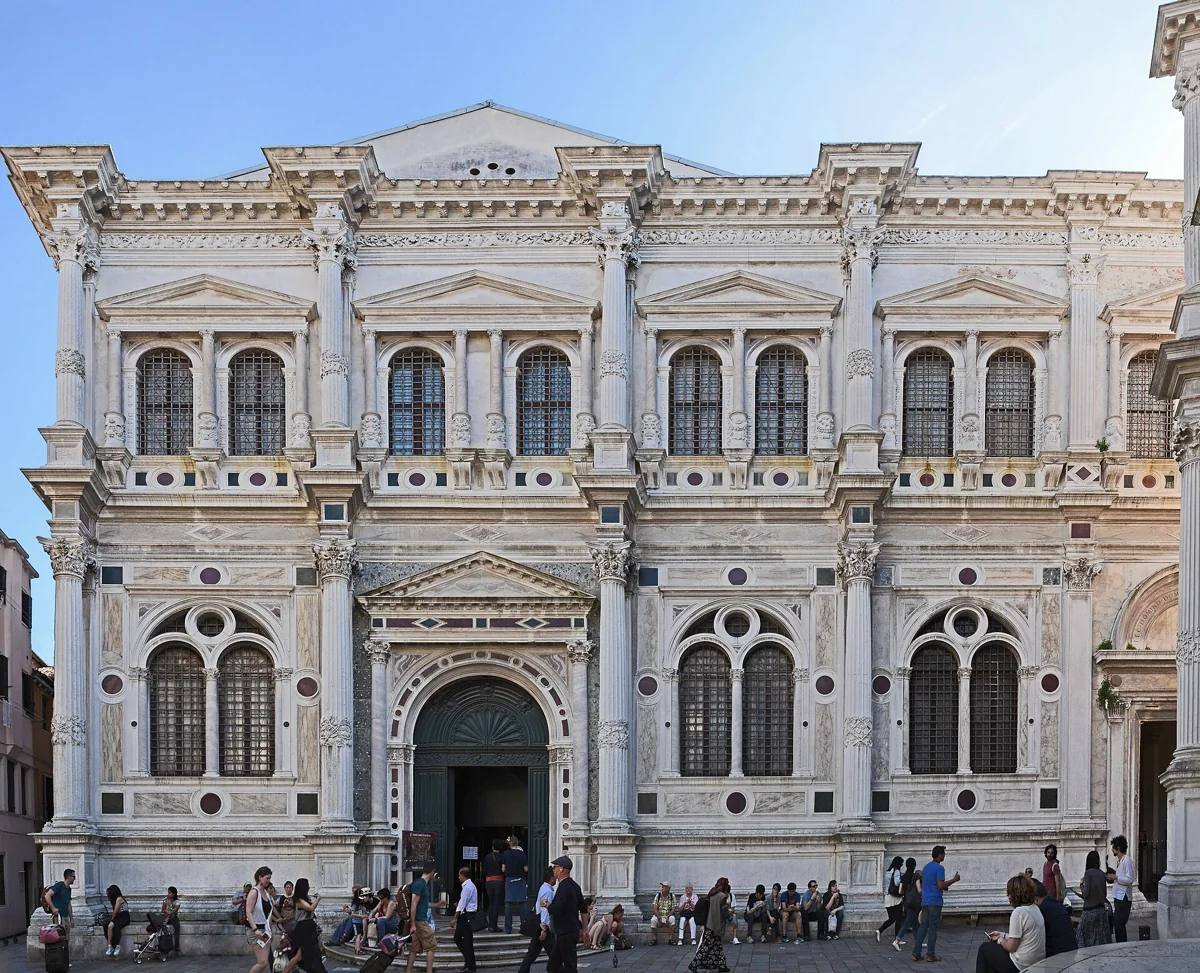
In San Polo, the Frari and San Rocco are a strong combination with little walking between them. In Dorsoduro, choose the Accademia or Guggenheim, then decide whether you have energy for another collection.
Check opening days before setting out. Two neighbouring museums are not useful as a pairing if one is closed, and church services can change visiting access.
Historic rooms and a theatre
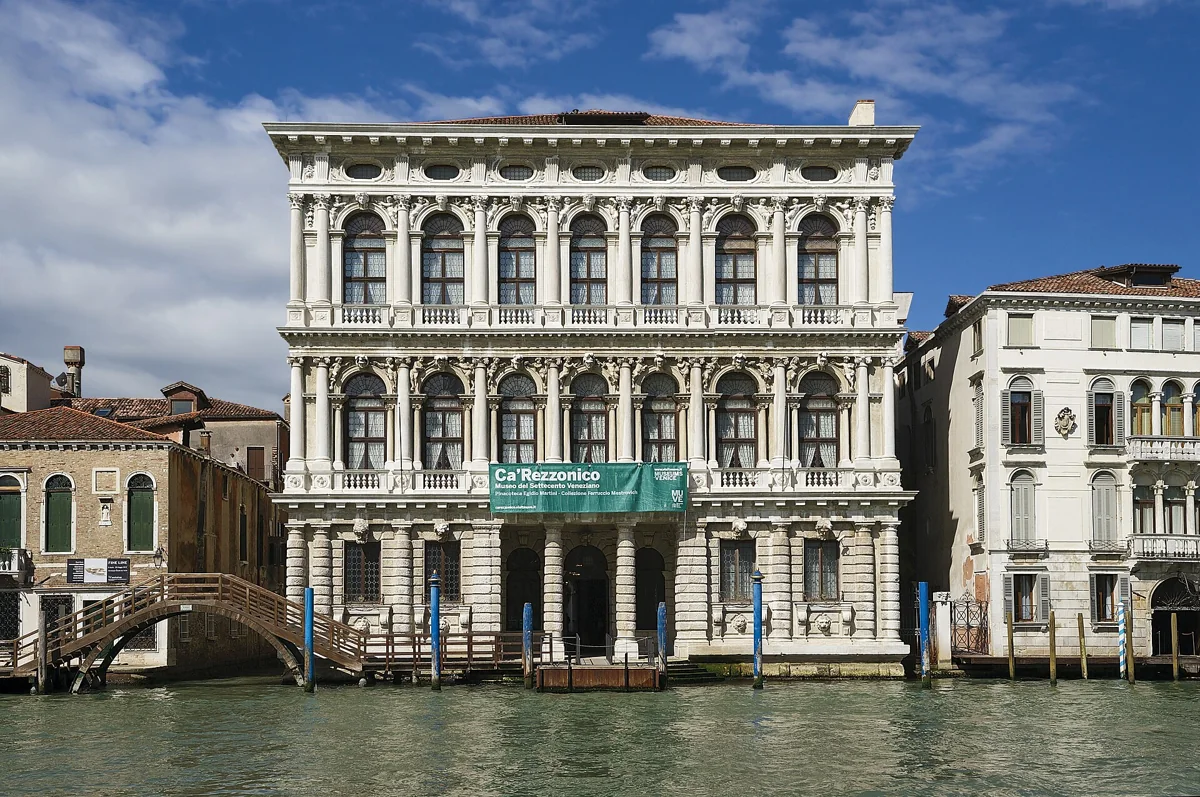
Doge’s Palace can occupy several hours, while the Correr offers another substantial option around St Mark’s Square. La Fenice is attractive for architecture and music history when daytime visits are available.
Compare visits in our tickets section and leave time between booked entry slots. Wet streets, queues and bag storage can make a tight schedule uncomfortable.
Keep the walking practical
Use shoes with suitable grip on wet stone and carry a compact waterproof layer. Large umbrellas can become awkward in narrow lanes and crowds. Keep museum bag rules in mind when deciding what to carry.
Rain and high water are different issues. If tides are a concern, follow the municipality’s current forecasts and local instructions. Do not assume a normal rainy-day plan covers flood conditions.
A day that still feels like Venice
A short canal walk between showers, a long lunch and one carefully chosen interior can be enough. Avoid spending the whole day crossing the city to escape the weather when a nearby district has good options.
Save island outings for conditions that suit them if your schedule allows. The seasonal guide and official transport notices help you decide when flexibility is the better choice.
Choose one area before choosing another museum
Start with where you are staying or the visit you have already booked. In San Polo, consider the Frari and San Rocco; in Dorsoduro, choose one collection and a nearby meal; around San Marco, give one substantial interior enough time. Keep the second museum optional rather than crossing Venice simply to fill the day.
Check the opening day, last admission, bag policy and any timed-entry requirement for each place. Leave a gap for the walk and a break. Indoor visits still involve outdoor travel, and the shortest route is not necessarily the easiest one with luggage, children or limited mobility.
A short San Polo walking connection
This map connects the Frari and San Rocco. It is an outdoor walking link, not a covered passage or a guarantee of step-free access. Confirm both visits before setting out and adapt the route to conditions on the ground.
Check rain and tides separately
For tide information use the municipality’s Centro Maree page, not an old news article about a previous high-water event. Check the issue date and the period covered by the forecast, then follow current local instructions. Source link checked 9 October 2026; this guide does not report a live water level.
Do not use a normal walking map to decide whether a flooded route is passable. If your planned visit becomes difficult to reach, contact the venue about entry arrangements and your booking terms. Choose a nearby alternative rather than assuming a ticket automatically allows a change of date.
Before you go
Questions & answers
Should I book every museum in advance for a rainy day?+
Book high-demand visits when needed, but keep enough flexibility to adapt to closures, weather and energy levels.
Does rain always mean acqua alta?+
No. Rain and high-water conditions are different. Check the official tide forecast for the latter.
Useful official resources
Check current opening times, prices, access and service notices with the relevant operator before travelling. Suggested visit lengths and routes are planning estimates.