There is no single perfect month for every Venice trip. The best season depends on whether you value long outdoor days, quieter museum time, warm beach weather or a particular cultural event. Build your plans around the conditions you enjoy rather than a promise of an empty city.
Spring: longer walks and changing weather
Spring brings increasing daylight and a comfortable rhythm for walking, though rain and cool spells remain possible. Layered clothing is more useful than packing for one assumed temperature. Popular weekends and holidays can be busy.
This is a good season to combine city sights with an island day. Keep the island plan flexible until you have a reliable forecast, and check whether seasonal facilities are operating.
Summer: early starts and time by the water
Summer offers long days, but heat and humidity can make the most crowded routes tiring. Plan major outdoor walks earlier or later, take breaks and carry water. A museum visit can provide a useful change of pace during the warmest part of the day.
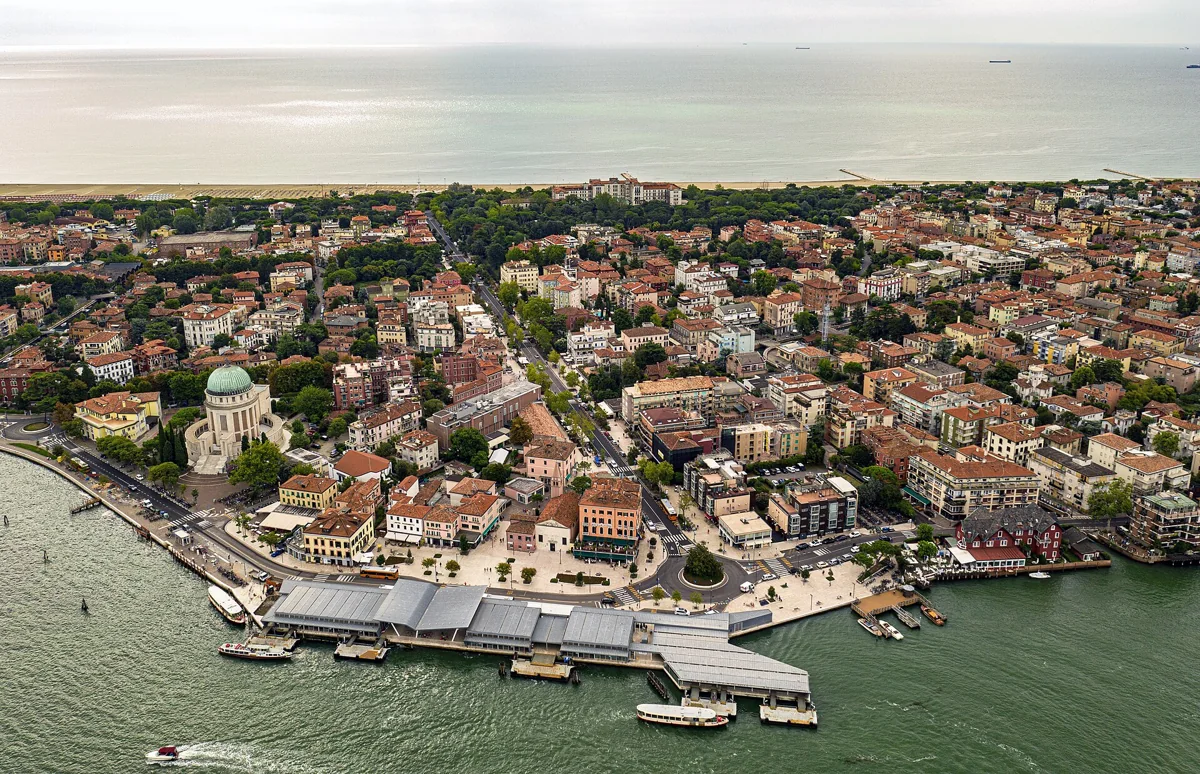
The Lido adds a seaside option. Book accommodation and high-demand visits with your actual dates in mind, particularly around major events. Long daylight does not remove the need to check the last useful boat home.
Autumn: art, atmosphere and a flexible plan
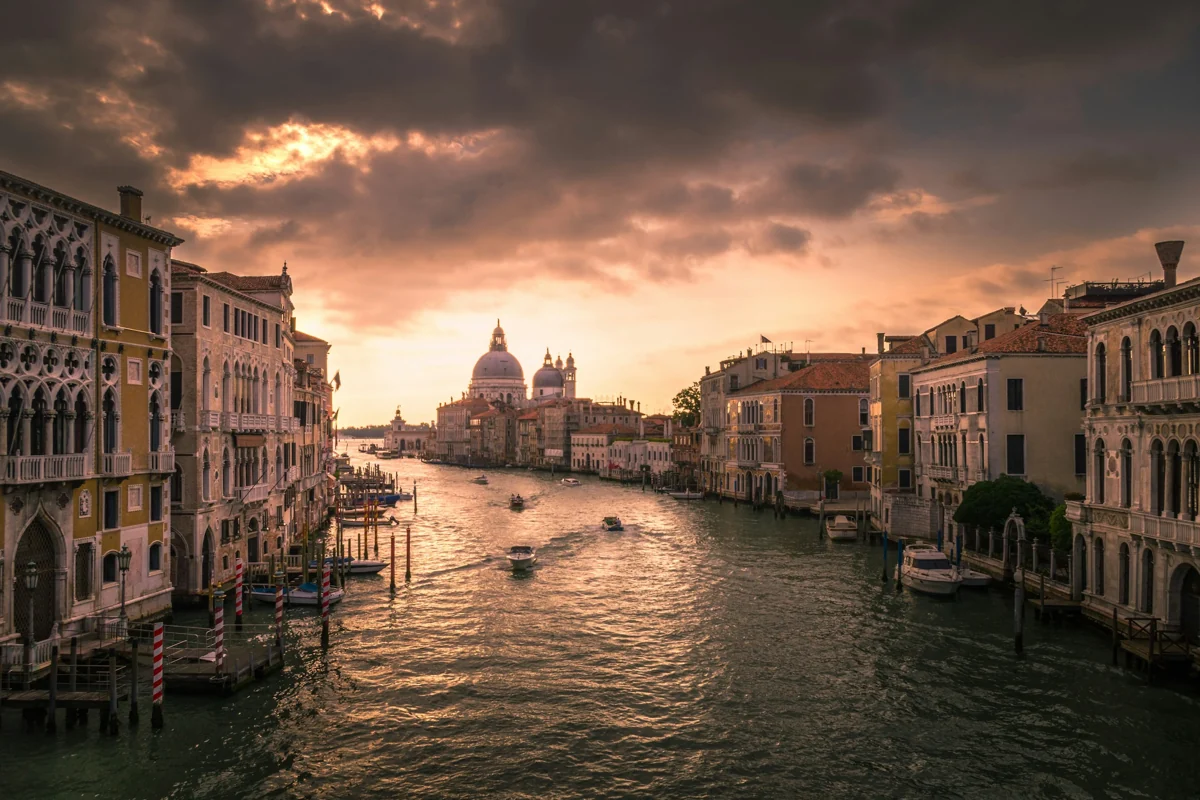
Autumn can be rewarding for museums, food and changing light. Conditions vary considerably across the season, so a mild afternoon and a damp, windy evening may belong to the same trip.
High-water conditions are not something to predict from the month alone. Follow the city’s official tide information close to your visit and respond to local instructions. Keep a rainy-day plan that you would genuinely enjoy.
Winter: shorter days, a different mood
Winter can bring mist, cold and a quieter atmosphere away from event periods. Shorter daylight makes it sensible to place outdoor walks earlier and reserve interiors for later. Some island businesses may have reduced hours.
Carnival and other major dates can transform demand and prices, so do not equate winter with low crowds. Check event calendars before choosing your travel dates.
Plan around your interests
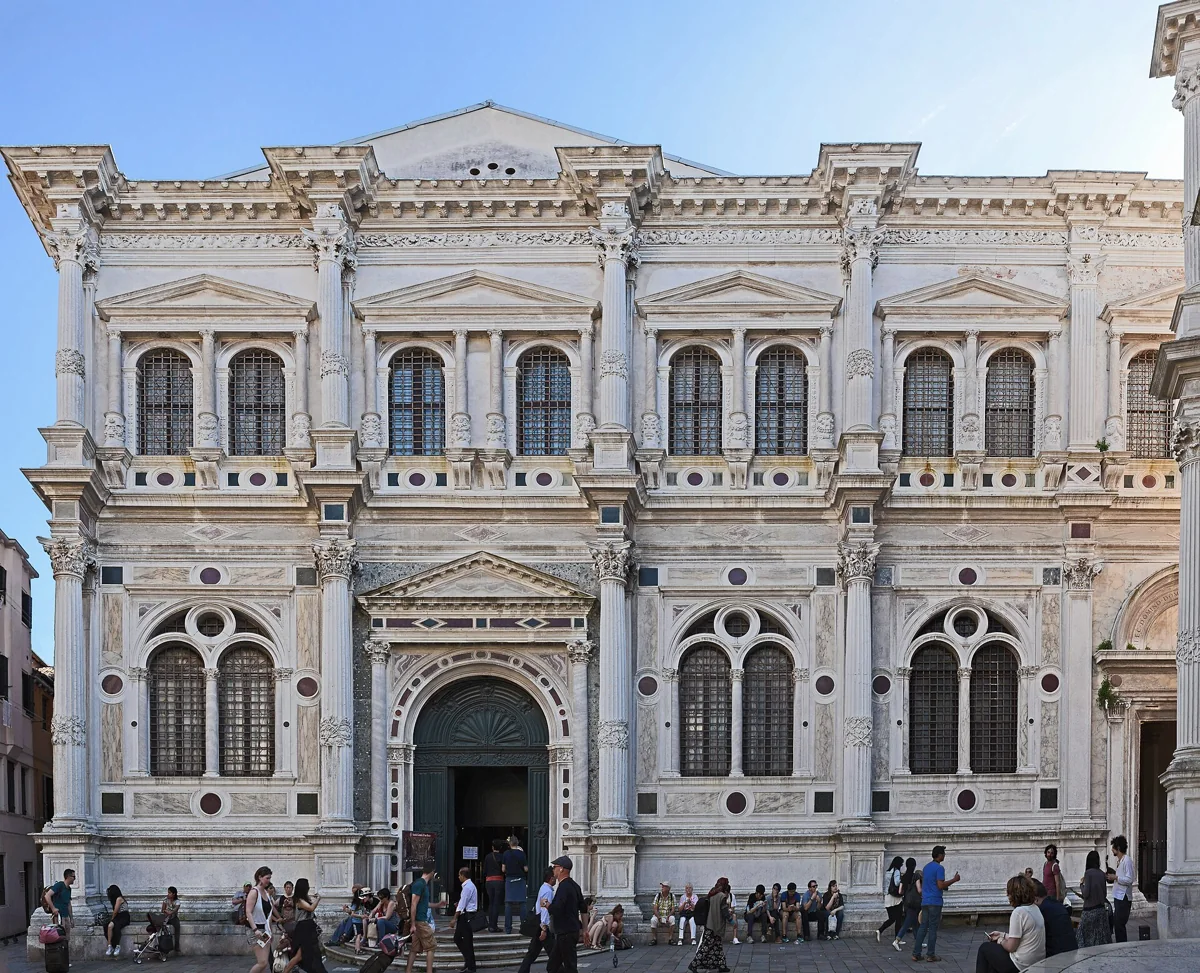
For art, check museum closures and exhibition dates. For islands, allow a weather buffer. For photography, think about light and the time you can comfortably spend outdoors. For a first visit, a balanced itinerary matters more than chasing a supposedly ideal month.
Use current forecasts shortly before departure and leave one part of the itinerary flexible. Venice is more enjoyable when you can adapt to the day you actually have.
Before you go
Questions & answers
Is Venice empty in winter?+
No. Some periods are quieter, but Carnival, holidays and events can be very busy.
Can I predict high water just from the season?+
No. Use the municipality’s current tide forecasts and local notices for your dates.
Useful official resources
Check current opening times, prices, access and service notices with the relevant operator before travelling. Suggested visit lengths and routes are planning estimates.