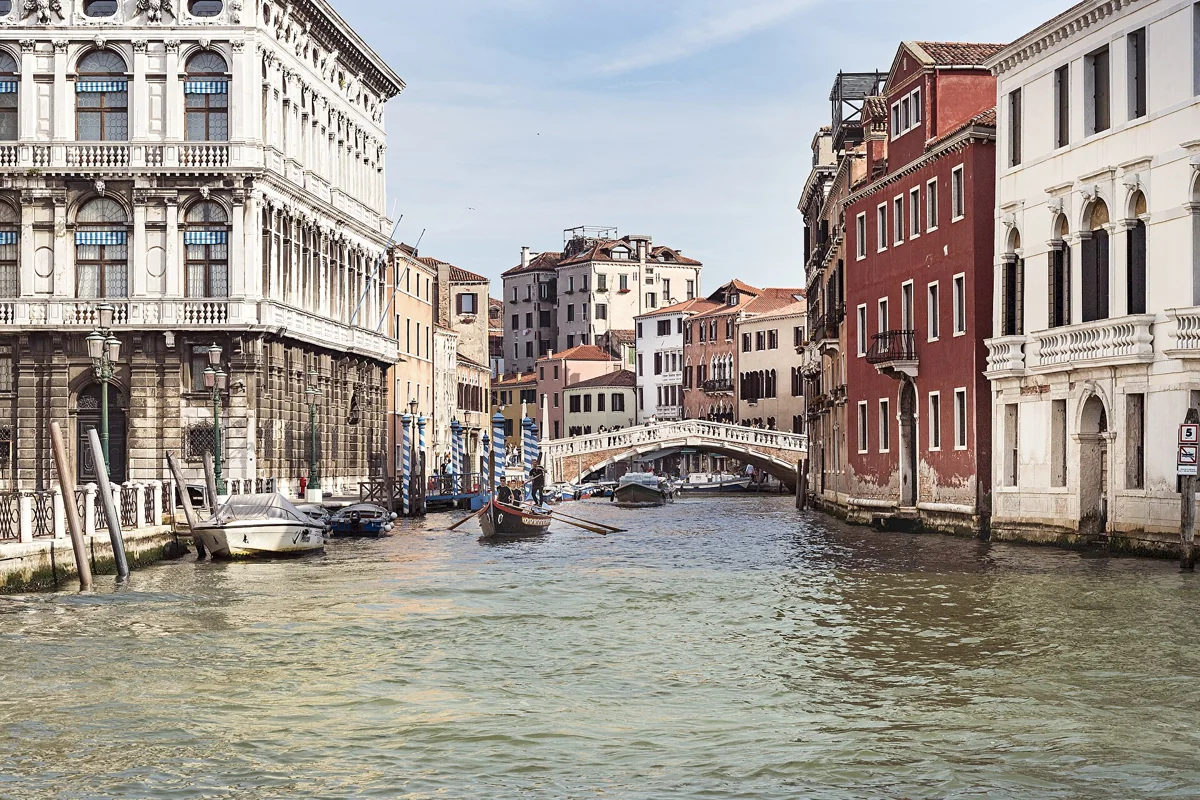
Venice requires route-specific planning. A district can include both accessible waterfront stretches and stepped bridges that interrupt an otherwise short walk. Start with your own requirements and verify the complete journey, from arrival point to accommodation and each attraction.
Use the official route resources
The municipality publishes barrier-free itineraries and an accessible map covering several city areas and islands. These are valuable starting points because a conventional map may not show the practical effect of bridges.
Check the age of the information and confirm current conditions where temporary ramps, works or service changes matter. A route described as accessible in general may still need to be assessed for your particular wheelchair, walking aid or assistance needs.
Check the complete boat journey
Water transport can connect accessible areas that would be difficult to join on foot. Ask ACTV about the relevant service, landing stage and current boarding arrangements. Water levels and the exact vessel or stop can affect the experience.
Do not assume all private water taxis or gondolas have the same boarding setup. Discuss the specific arrangement directly with the operator before reserving, including assistance, equipment dimensions and where you will get on and off.
Ask museums precise questions
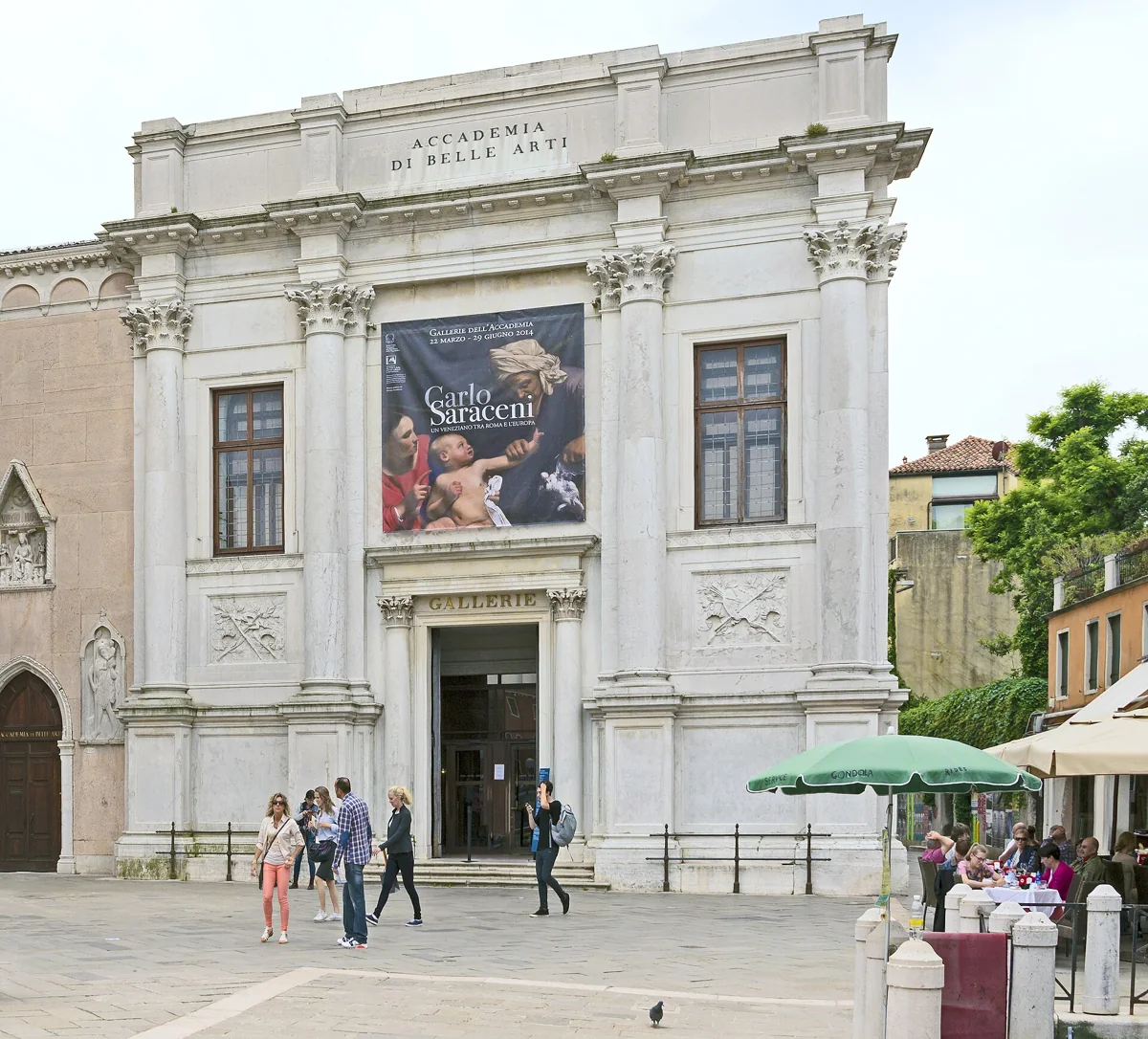
An attraction may have an alternative entrance, a lift or a partial accessible route. Ask which rooms are reachable, whether assistance during the visit needs to be booked in advance and where accessible toilets are located. “Accessible museum” does not always mean every historic space is included.
The Clock Tower has steep, narrow stairs and specific restrictions; the Bovolo staircase is inherently stair-focused. Choose alternatives that offer the experience you want without relying on uncertain access.
Accommodation and pacing
Ask for photographs or measurements relevant to your needs: entry steps, lift dimensions, bathroom layout and the route from the nearest useful stop. Confirm that the room offered is the one with the required features.
Plan fewer transitions in a day and leave time for rest. A carefully chosen waterfront route, a museum with confirmed access and a comfortable lunch can be a much stronger day than an ambitious circuit with several unresolved barriers.
Choose one area before joining several together
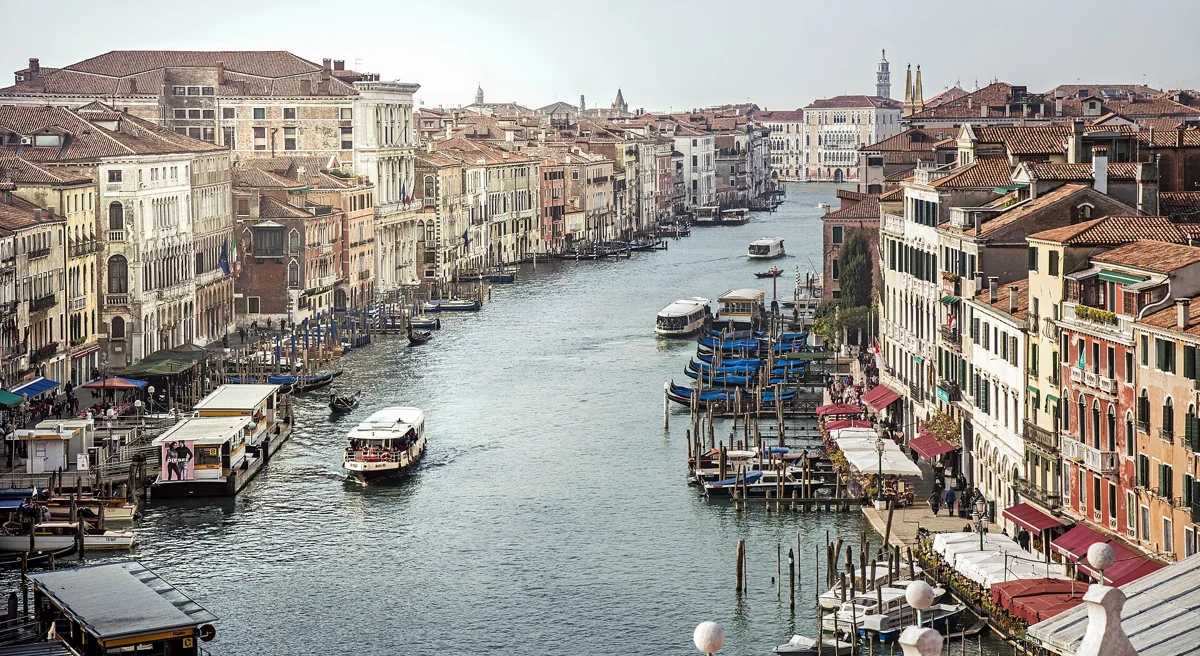
Start with one part of Venice and plan the journey there and back before adding another stop. Our San Marco, Grand Canal and Zattere planning cards collect questions to check, route context and map links. They are starting points for a conversation with transport operators and venues, not audited step-free routes.
The municipality’s itinerary directory was last updated on 17 July 2019. We checked the source on 9 October 2026, but that does not confirm that a ramp, lift or landing stage is usable today. Google Maps is useful for locating places; a suggested walking route is not proof of wheelchair access.
A hotel checklist to use before paying
Ask the hotel to confirm the exact room and the complete arrival route in writing. Send the dimensions of your mobility aid if relevant, and ask for measurements of the narrowest doorway, lift and bathroom access. A photograph of the entrance alone cannot answer these questions.
Check whether there are steps between the street or landing point, reception, room and breakfast area; ask about shower access and the toilet setup you need. Agree what happens if the promised room or lift is unavailable. Compare accommodation only after confirming that its actual features fit your needs.
Keep a short departure checklist
Before setting out, confirm transport notices, boarding arrangements at both ends of the journey and the return option. Keep the venue’s access contact and any agreed assistance details with your booking. Choose a rest stop and an alternative activity in the same area rather than relying on an extra bridge crossing.
ACTV publishes dedicated accessible-mobility information, including arrangements that apply only at particular stops or times. Read those conditions for your journey and check with the operator when anything is unclear. Our planning advice is desk research, not an assessment of your individual access requirements.
Before you go
Questions & answers
Are all Venice bridges accessible?+
No. Many have steps, and temporary solutions can change. Use official route information and verify current conditions.
Can I rely on a hotel’s district name to judge access?+
No. Ask about the exact route from your arrival stop and the specific room and building features.
Useful official resources
Check current opening times, prices, access and service notices with the relevant operator before travelling. Suggested visit lengths and routes are planning estimates.