Venice Journal · 2026-11-07
Best Time to Visit Venice: Planning Your Trip by Season
Venice has no single ideal month. The right season depends on whether you want long outdoor days, quieter museum hours, warm weather by the water or a particular cultural event. This guide sets out how each season changes the shape of a visit, how walking and water transport fit together, and how to keep part of your plan open so the day you actually get still works.
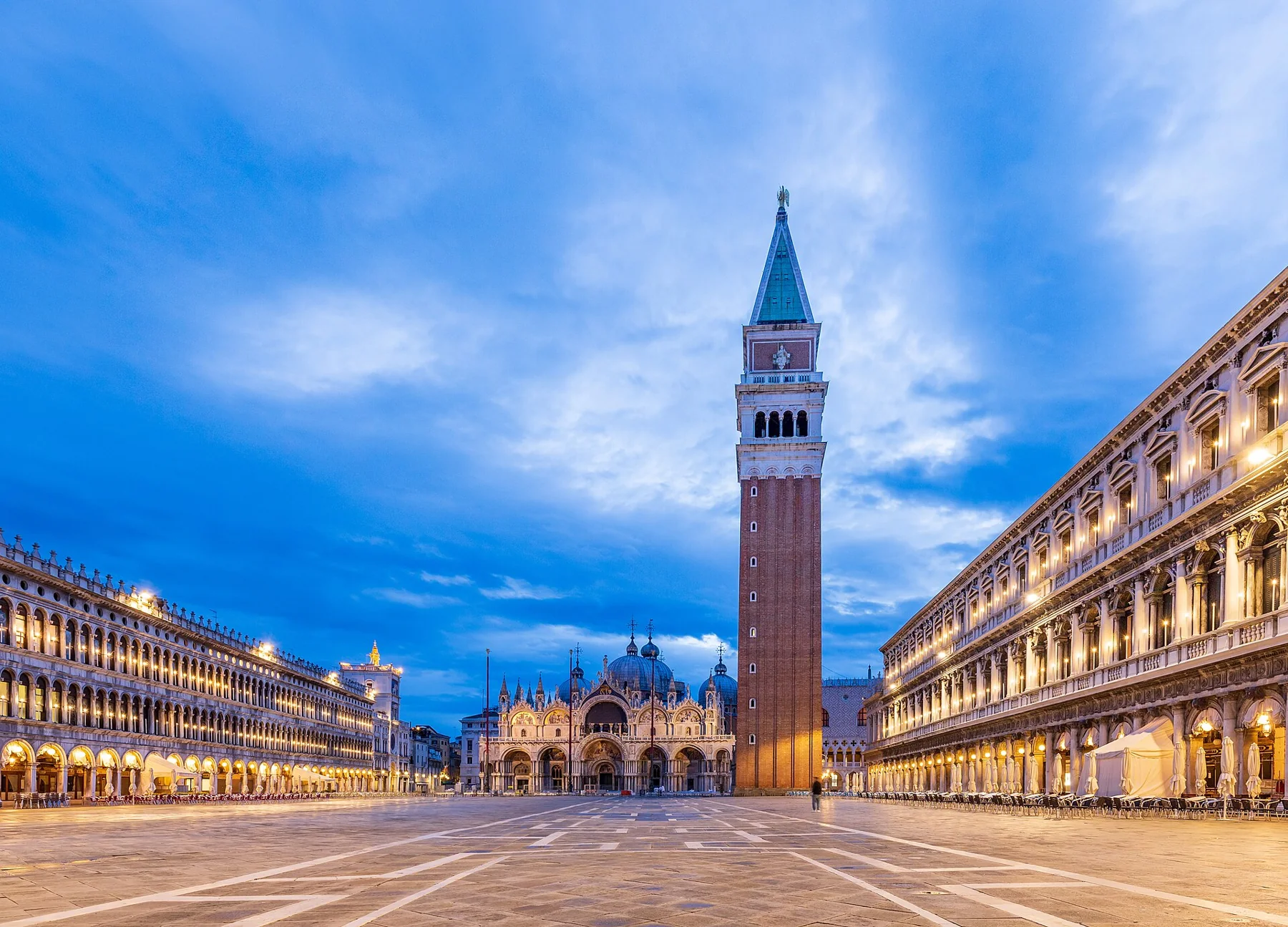
Spring: longer walks and shifting weather
Spring brings increasing daylight and a comfortable rhythm for walking, but rain and cool spells remain possible across the season. Layered clothing serves you better than packing for one assumed temperature, and popular weekends and holidays can be busy. Treat the forecast as part of the itinerary rather than background information.
This is a good season to pair city sights with an island day. Keep that island plan flexible until you have a reliable forecast, and check whether seasonal facilities are operating before committing to a fixed crossing. Autumn and spring both reward a plan that can absorb a wet morning by moving an indoor stop forward.
Summer: early starts and time by the water
Summer offers long days, but heat and humidity make the busiest routes tiring. Place major outdoor walks earlier or later, take breaks and carry water. A museum visit can give a useful change of pace during the warmest hours, and walking at a slower pace around the historic centre is more rewarding than trying to cover distance.
The Lido adds a seaside option on the other side of the lagoon, which can break up a city stay. Book accommodation and high-demand visits with your actual dates in mind, particularly around major events. Long daylight does not remove the need to check the last useful boat home before you set out for the evening.
Autumn: museums, atmosphere and a flexible plan
Autumn can be rewarding for museums, food and changing light. Conditions vary considerably across the season, so a mild afternoon and a damp, windy evening may belong to the same trip. Build in alternatives you would genuinely enjoy rather than treating rain as a lost day.
High water is not something to predict from the month alone. Follow the city's official tide information close to your visit and respond to local instructions on the day. A rainy-day plan that shifts you indoors, or into a different neighbourhood, keeps the visit manageable.
Winter: shorter days and a different mood
Winter can bring mist, cold and a quieter atmosphere away from event periods. Shorter daylight makes it sensible to place outdoor walks earlier and reserve interiors for later. Some island businesses may have reduced hours, so confirm arrangements with the operator before building a day around them.
Carnival and other major dates can transform demand and prices, so winter is not automatically quiet. Check event calendars before choosing your travel dates, and remember that cold weather changes how long you can comfortably stay outside.
Building a winter day on foot and water
Venice works as two overlapping networks: pedestrian streets and water routes. Walking reveals detail; waterbuses connect places that are awkward or impossible to join on foot. Expect narrow lanes, stepped bridges and routes that turn inland when a canal blocks the way, and allow more time than a distance estimate suggests.
There is no continuous walkway along the Grand Canal, and signs towards Rialto, San Marco, Ferrovia and Piazzale Roma help with broad direction while a precise address still needs a map. At landing stages, check the route number, direction and stopping pattern; larger stops can have several platforms. Validate your ticket according to the operator's current instructions at the start of each journey and when changing services as required. Compare a pass with the journeys you actually expect to make, and read exclusions carefully, since airport travel, Alilaguna services and certain routes are not automatically included in ordinary products. Check current fares and conditions with the operator and confirm any changing arrangements before you travel.
For islands such as Murano and Burano, check both the outbound and return timetable, and leave room for weather and queues before a fixed booking. A gondola ride is a separate sightseeing experience, and a traghetto is a short crossing at an operating point on the Grand Canal rather than a full canal tour. For mobility needs, plan with official accessible routes and transport information, because a route that looks short can include several stepped bridges.
Finish with a return option saved before you leave, and keep one part of the day unplanned. The season sets the frame; the forecast and the light decide the details.
Matching the season to your interests
For art, check museum closures and exhibition dates. For islands, allow a weather buffer. For photography, think about light and how long you can comfortably spend outdoors. For a first visit, a balanced itinerary matters more than chasing a supposedly ideal month.
Use current forecasts shortly before departure and leave one part of the itinerary flexible. Venice is more enjoyable when you can adapt to the day you actually have, rather than forcing a plan built for a different week.
Keep exploring
Sources and photo credits
Independent travel editorial, drafted with AI assistance using our existing guides. Check changing practical information with official operators.
- Best time to visit Venice — Visit Venezia · 2026-11-07
- Photo: Matthias Süßen · Source · CC BY-SA 4.0. Responsive image display.
