Venice Journal · 2026-10-28
A Venetian Lagoon Itinerary: Islands, Water and Careful Choices
The lagoon is not scenery around Venice but the reason the city exists: shallow water, marked channels, salt marshes and inhabited islands shaped by centuries of navigation and intervention. This itinerary helps you choose a realistic island day, understand how public waterbuses work, order your stops sensibly and notice what lies between them rather than treating the crossings as mere transfers.
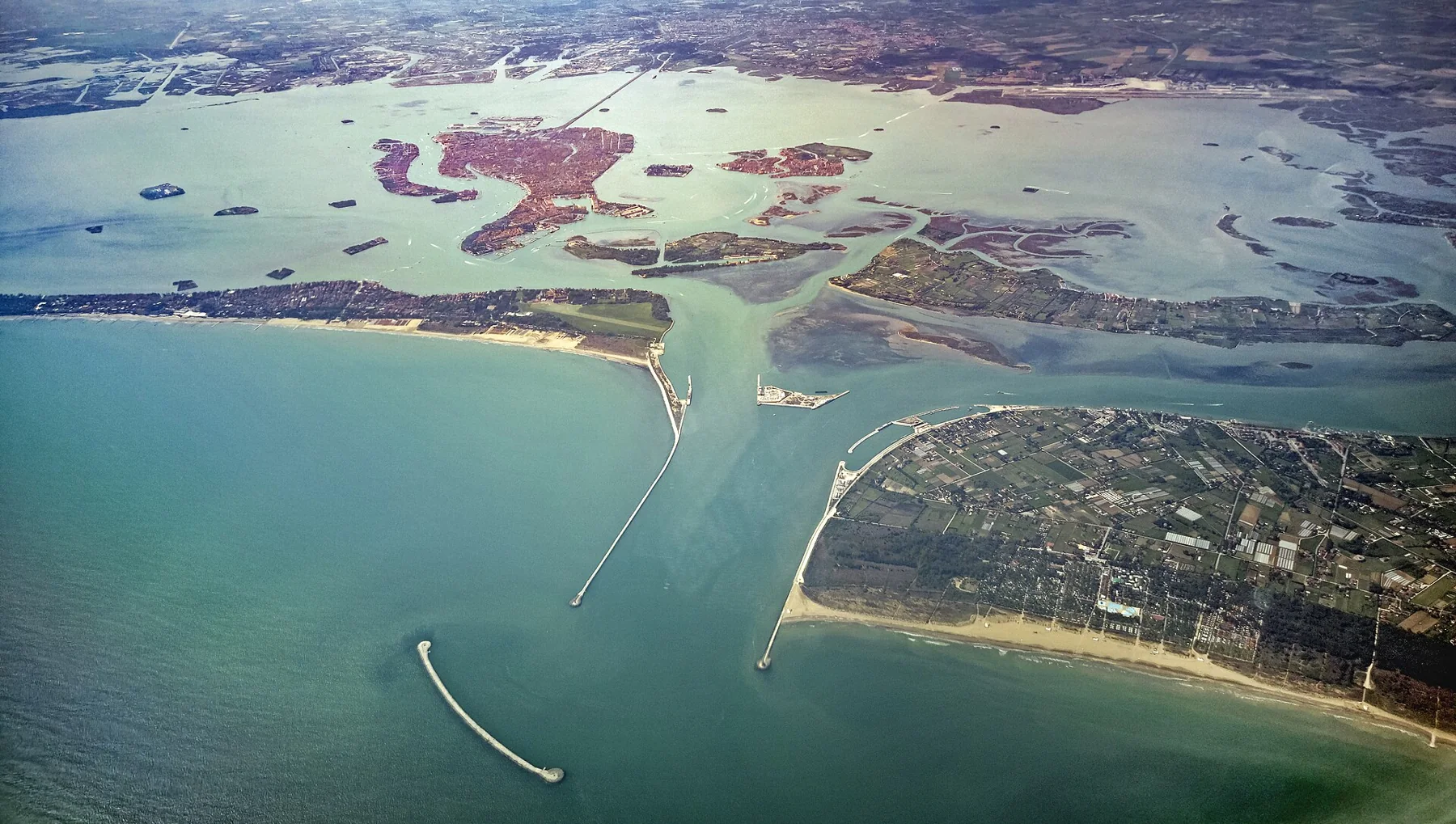
Start with the lagoon as one landscape
UNESCO recognises Venice and its Lagoon as a single World Heritage property, which is a useful way to prepare for the day. The buildings and the surrounding water belong to one shared history; human intervention and natural processes have shaped this environment over centuries. Seen from a boat, the city becomes a dense edge within a much wider system of channels, mudflats and islands.
Much of the water you pass is shallow, and navigation follows marked channels. Salt marshes and mudflats can look empty from a distance, yet our lagoon guide describes them as important living environments. Keep that in mind when choosing stops: the most memorable part of an island day is often the contrast between busy landings and quiet stretches of water, not the number of places ticked off.
Choose two or three islands, not a full circuit
For a first island day, our guide suggests the northern lagoon with Murano, Burano, Mazzorbo and Torcello, each with a different focus: craft, colour, cultivation or early history. Two islands make a comfortable starting point; three can work with careful connections. More stops usually mean less time ashore, and the boat timetable, not the map, sets the rhythm of the day.
The southern direction offers a different outing through the Lido towards Pellestrina. Closer alternatives are Giudecca and San Giorgio Maggiore when you want island views without dedicating a whole day to distant connections. Whichever direction you take, check both the outbound and return timetable before leaving, because a late connection can change the whole day.
Decide between public waterbuses and a guided boat
Public waterbuses give you flexibility on established routes, provided you understand the timetable and ticket conditions. A guided excursion can add historical or ecological context and may visit places not conveniently reached by public services. These are different products, and choosing between them is the central planning decision of the day.
Before booking a private trip, our guide advises asking about the actual stops, group size, weather policy and whether entry fees are included. A panoramic boat ride and an island visit with time ashore are not the same experience. If your priority is time on land, a route that spends most of the day moving may not suit you, however attractive the boat.
Tickets, validation and sensible comparisons
Vaporetti are public waterbuses, so check the route number, direction and stopping pattern at the landing stage. Large stops can have several platforms, and the stop name alone may not be enough. Buy the appropriate ticket and validate it according to ACTV’s current instructions at the start of each journey and when changing services as required; app tickets may have their own activation process.
Our transport guide, using ACTV’s fare page checked on 9 October 2026, lists the standard 75-minute Rete Unica ticket at €9.50 and the Venezia Daily Pass at €25 for 24 hours; three separate 75-minute tickets would cost €28.50. That is a planning example, not a recommendation for every traveller: airport travel, Alilaguna services, supplements and concessions are excluded, so recheck eligibility and live prices before buying.
Land carefully, then leave time for the return
Keep to permitted landing areas and public paths. Do not walk onto salt marshes, disturb wildlife or assume an uninhabited-looking island is open to visitors; private property, religious communities and protected environments all exist within the same lagoon. Support established local operators and respect speed and navigation rules if you join an organised boating activity.
Wind, fog and high-water conditions can affect services and comfort, so check transport notices before departure, dress for exposed crossings and leave a buffer before any fixed appointment back in Venice. For mobility needs, plan with the official accessible routes and transport information, since a route that looks short can include several stepped bridges. Check changing arrangements with the relevant operator, and keep a return option saved before you leave.
Keep exploring
Sources and photo credits
Independent travel editorial, drafted with AI assistance using our existing guides. Check changing practical information with official operators.
- The Venetian Lagoon — a thoughtful itinerary — Visit Venezia · 2026-10-09
- Photo: Didier Descouens · Source · CC BY-SA 4.0. Responsive image display.
