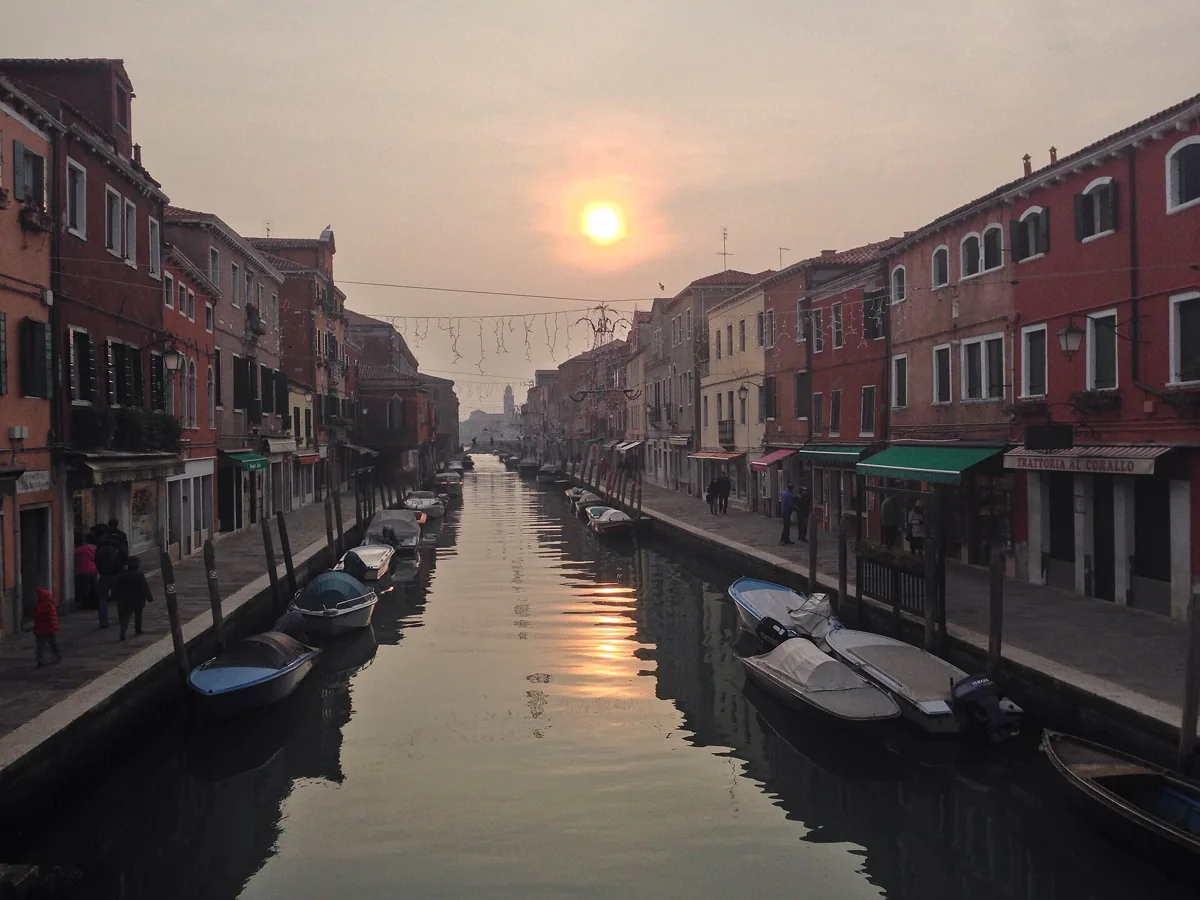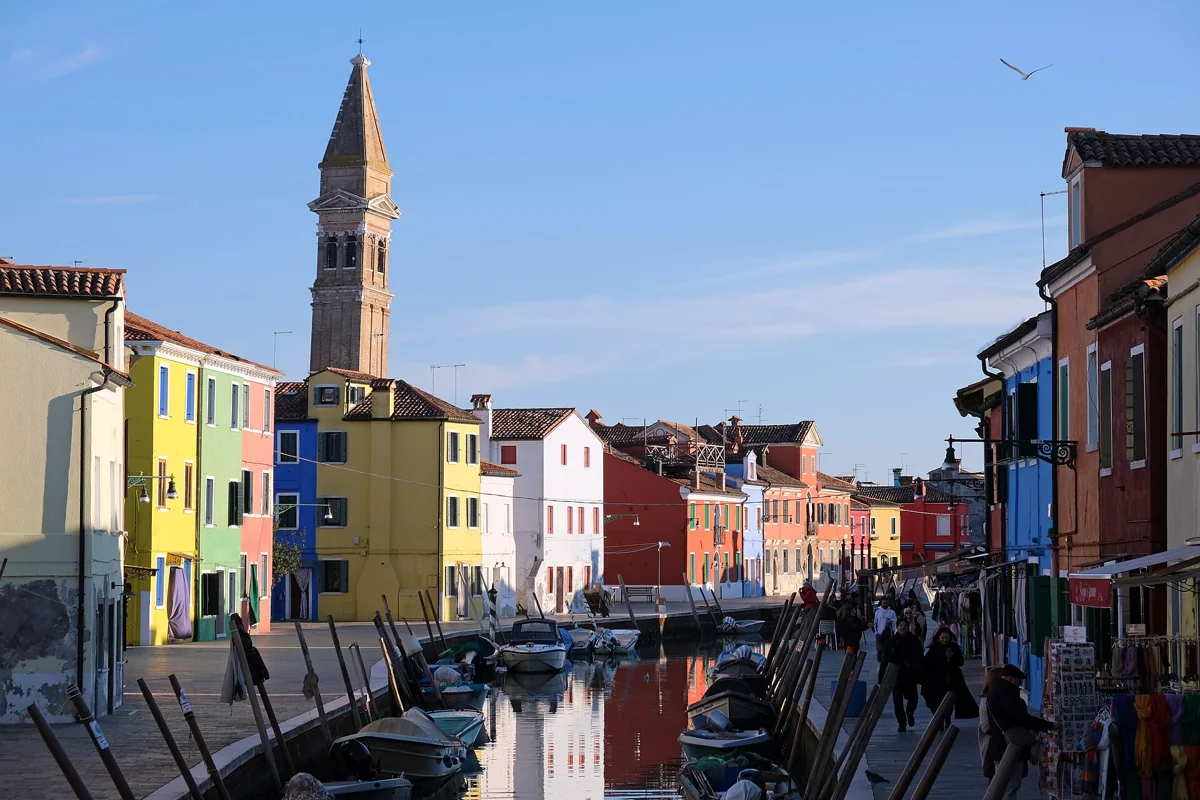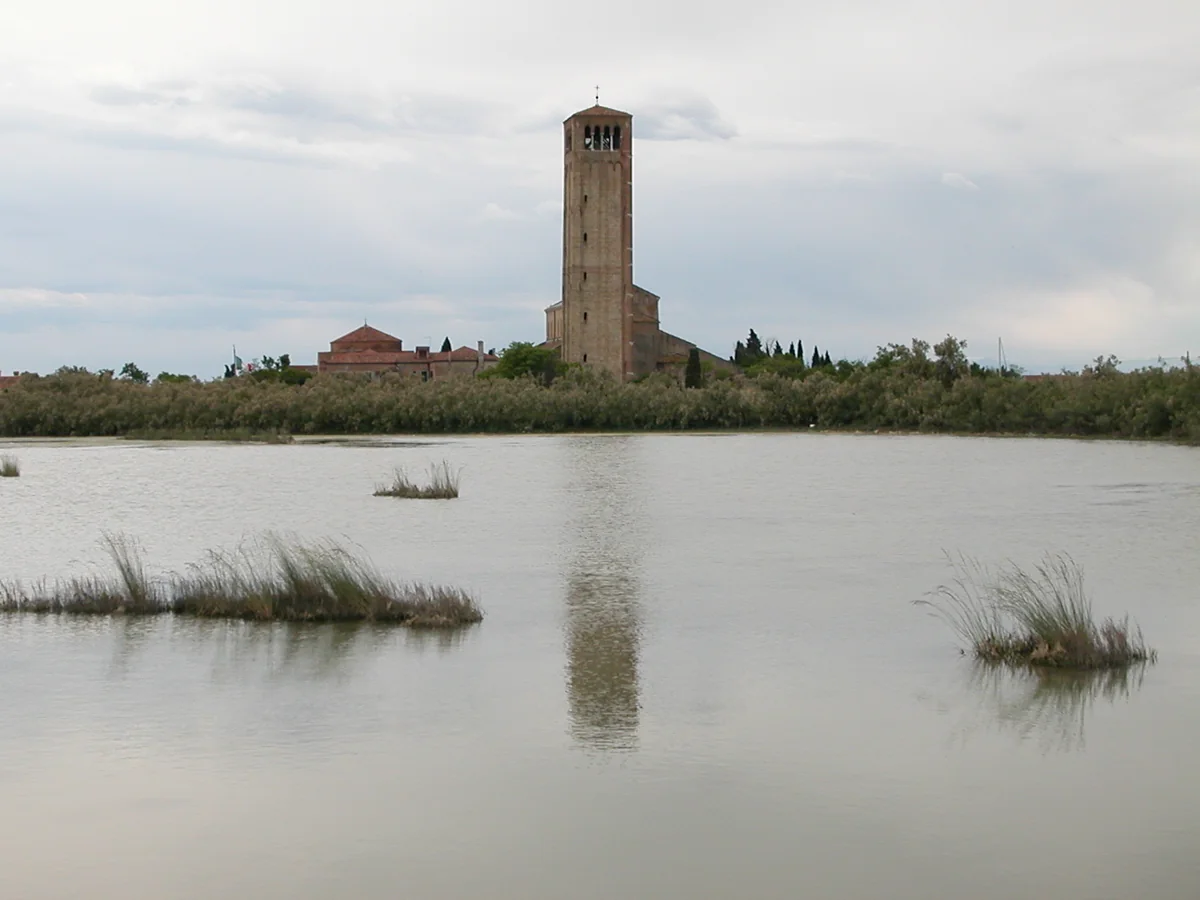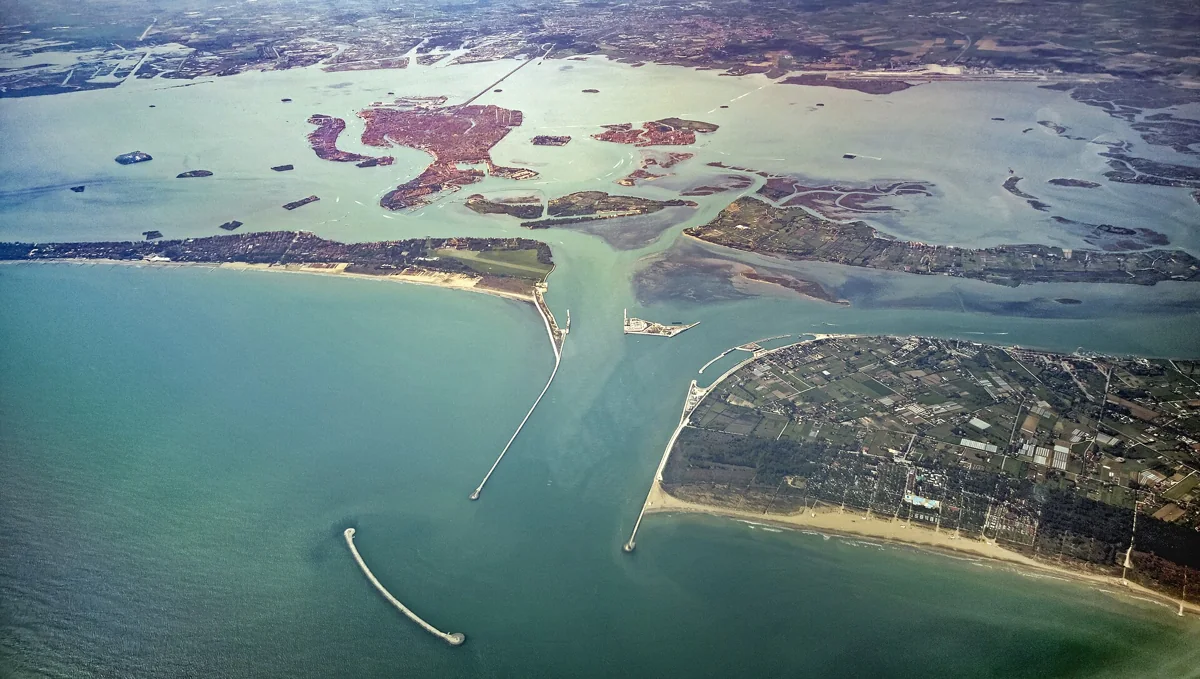
Venice makes more sense when you look beyond its streets. The city belongs to a tidal landscape of channels, shallow water, salt marshes and inhabited islands. Exploring the lagoon reveals how architecture, navigation, food and daily life have always been connected.
A city and a landscape together
UNESCO recognises Venice and its Lagoon as one World Heritage property. The relationship matters: the city’s buildings and the surrounding water are part of a shared history, not separate attractions. Human intervention and natural processes have shaped the lagoon over centuries.
A boat journey offers a first lesson in that geography. Navigation follows marked channels while much of the surrounding water is shallow. Salt marshes and mudflats can look empty from a distance, yet they are important living environments.
Choose your lagoon route
For a first island day, the northern lagoon offers Murano, Burano, Mazzorbo and Torcello. Each has a different focus: craft, colour, cultivation or early history. Select two or three at most if you want time beyond the boat stops.
The southern direction offers another kind of outing through the Lido towards Pellestrina. Giudecca and San Giorgio Maggiore are closer alternatives when you want island views without dedicating a whole day to distant connections.
Public transport or a guided boat trip?
Public waterbuses give you flexibility on established routes, provided you understand the timetable and ticket conditions. A guided excursion can add historical or ecological context and may visit places not conveniently reached by public services.
Before booking a private trip, ask about the actual stops, group size, weather policy and whether entry fees are included. A panoramic boat ride and an island visit with time ashore are different products. Choose according to the experience you want.
Protect the place you came to see
Keep to permitted landing areas and public paths. Do not walk onto salt marshes, disturb wildlife or assume an uninhabited-looking island is open to visitors. Private property, religious communities and protected environments all exist within the same lagoon.
Support established local operators and respect speed and navigation rules if taking part in an organised boating activity. On shore, carry away rubbish, refill water where suitable and keep the needs of residents in mind.
Plan around the conditions
Wind, fog and high-water conditions can affect services and comfort. Check transport notices before departure, dress for exposed crossings and leave a buffer before any fixed appointment back in Venice.
The most rewarding lagoon day is rarely the one with the most stops. Choose a clear theme, enjoy the crossings and spend enough time in each place to notice how it differs from the city.
Before you go
Questions & answers
Is every island open to visitors?+
No. Some are private, restricted, protected or accessible only through arranged visits. Check before travelling.
How many islands should I visit in one day?+
Two is a comfortable starting point; three can work with careful connections. More stops usually mean less time to explore.
Useful official resources
Check current opening times, prices, access and service notices with the relevant operator before travelling. Suggested visit lengths and routes are planning estimates.