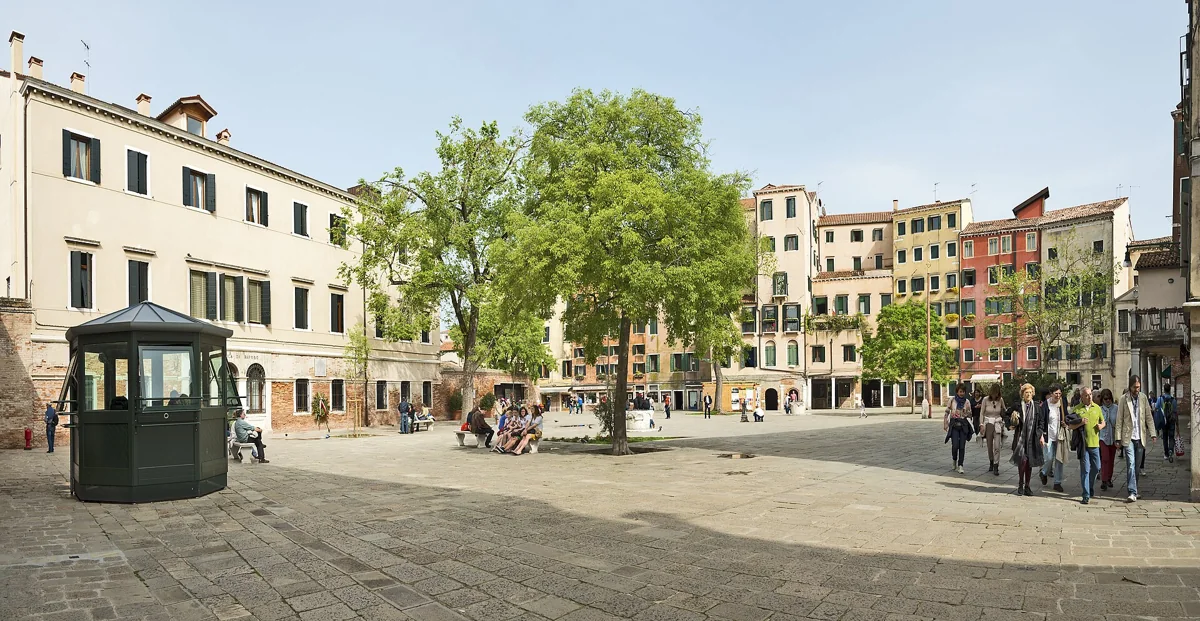
The Venetian Ghetto is a place of history, remembrance and continuing community life. Its squares and tall residential buildings offer an introduction, but the deeper story lies in the people, institutions and traditions that developed here under restrictive conditions.
Understand the place before photographing it
The Ghetto was established in the early sixteenth century as a compulsory area of residence for Venice’s Jewish population. Over time, communities of different origins created synagogues and a rich cultural life within the imposed boundaries.
The unusual height of some buildings reflects the pressure on limited space. Look at the architecture with that history in mind, rather than treating it simply as another picturesque square.
Museum and synagogue visits
The Jewish Museum and associated guided visits provide essential context. Opening patterns and access to individual spaces can change with religious observance, conservation and operational needs. Check the official museum information before travelling for a particular visit.
Synagogues are religious spaces. Follow dress and photography instructions and be considerate around services. A guided visit is often the best way to understand details that are not obvious from the street.
A walk through Cannaregio
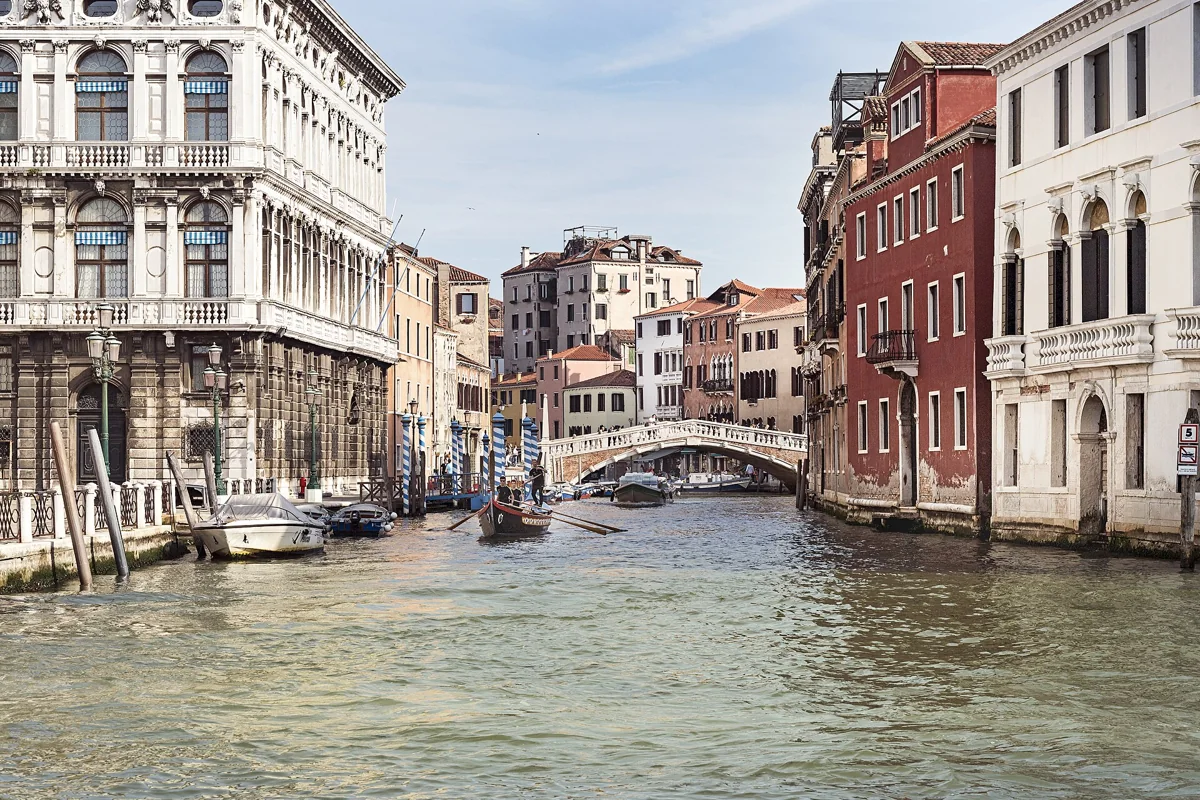
Approach from Guglie and spend time in the main squares before continuing towards the canals around Ormesini and Misericordia. Keep your pace respectful around memorials and residential entrances.
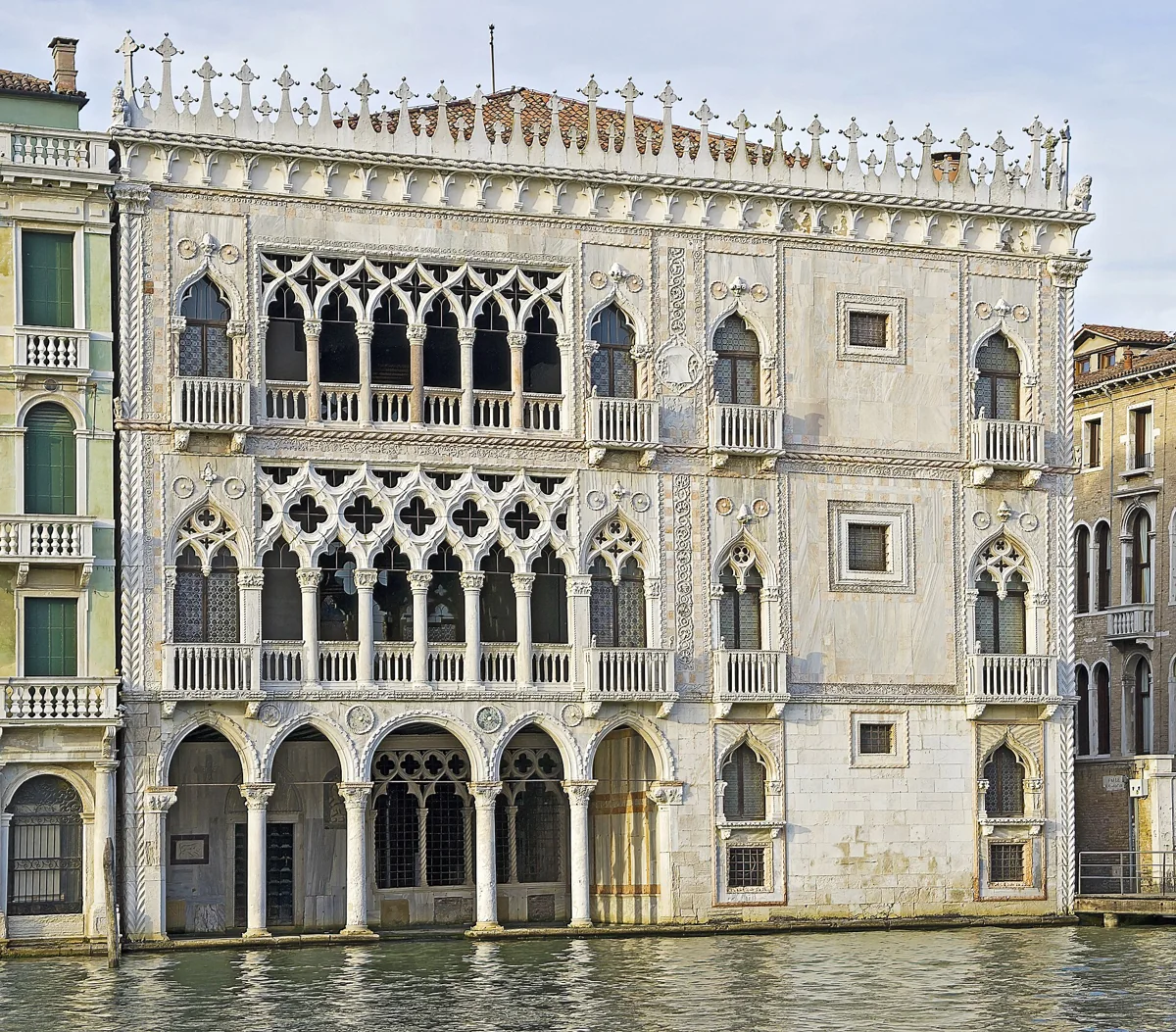
The area combines naturally with a wider Cannaregio walk or a visit to Ca’ d’Oro. Allow enough time for interpretation rather than scheduling the Ghetto as a five-minute stop between meals.
Before you go
Questions & answers
Is the Ghetto still a living community?+
Yes. It should be visited as a place of continuing religious and community life, as well as a historic site.
Can I enter every synagogue independently?+
No. Check current guided access and religious closures with the Jewish Museum.
Useful official resources
Check current opening times, prices, access and service notices with the relevant operator before travelling. Suggested visit lengths and routes are planning estimates.