Venice Journal · 2026-11-19
Castello Itinerary: Riva degli Schiavoni, Arsenale, Via Garibaldi and Sant'Elena
Castello starts where the San Marco crowds are thickest and ends somewhere far quieter, at the lagoon edge beyond the Arsenale walls. This walk uses two watery edges and a spine of residential lanes to show how quickly Venice changes character. Plan half a day or more, decide in advance how much of the Arsenale you need, and keep your return boat option in mind before heading east.
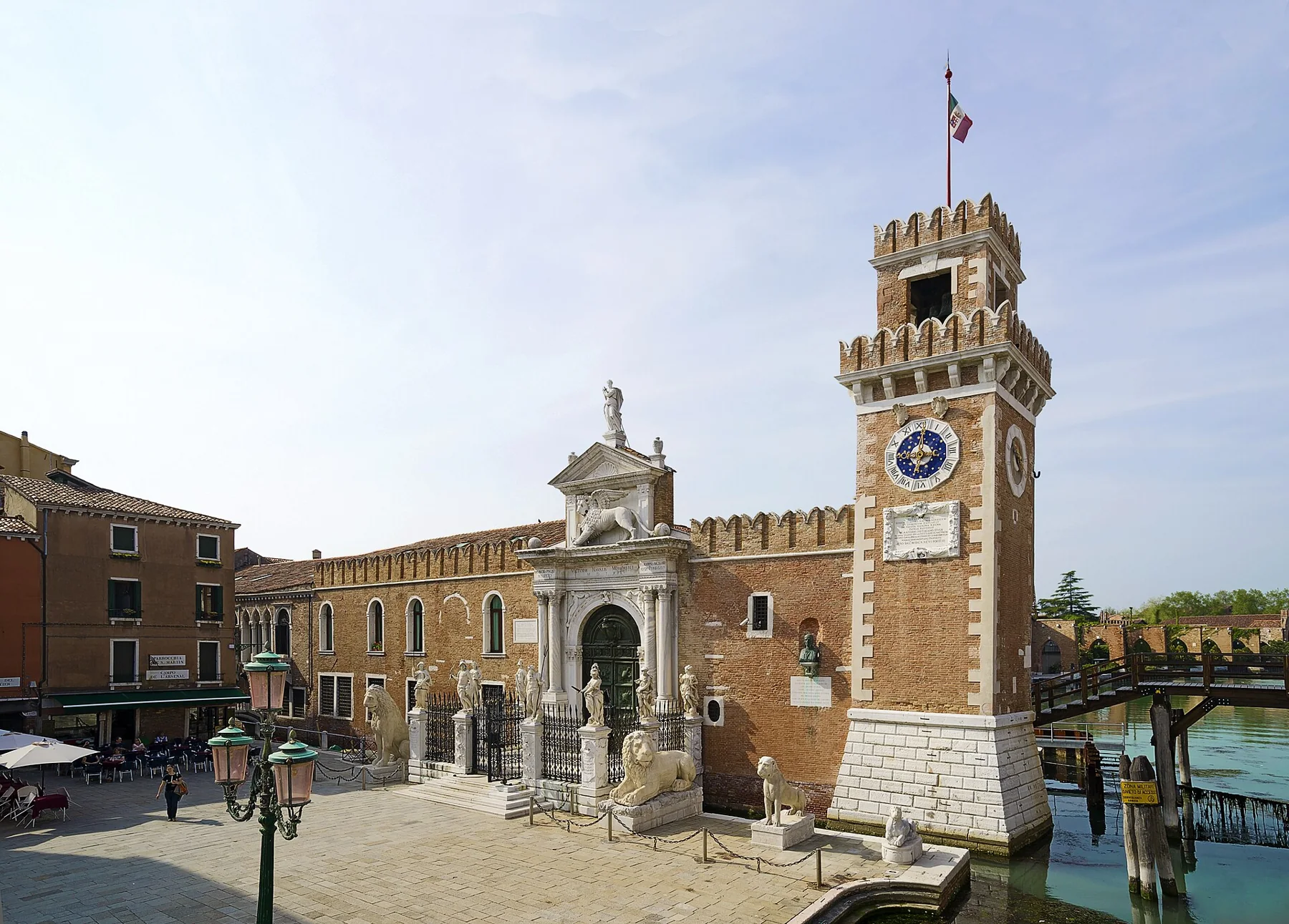
Why this district rewards a slower route
Our Castello guide describes a district of contrasts: monumental churches and heavy visitor traffic near the waterfront, then an altogether different rhythm further east, and finally the leafy edges of Sant'Elena where the lagoon becomes a larger part of the experience. That progression is the reason to walk rather than tick off one sight. The route below follows the guide's suggested first walk, from the Riva degli Schiavoni towards the Arsenale entrance, continuing to Via Garibaldi and finishing by the gardens.
Treat the plan as a sequence rather than a checklist. Each stage works in both directions, so you can reverse it if your waterbus stop or accommodation sits at the eastern end. What matters is that you cross the busy western waterfront early, while you still have energy for the grand views, and leave the quieter eastern lanes for the part of the day when slow wandering feels natural rather than dutiful.
The western waterfront and the lanes inland
Begin on the Riva degli Schiavoni, the broad waterfront that carries most visitors between San Marco and the eastern districts. It offers grand views and, in our guide's words, heavy visitor traffic. Use it as an introduction rather than a destination: walk a stretch, notice how the city opens towards the lagoon, then step inland before the promenade becomes a single crowded corridor.
Inland, the guide points towards Campo Santa Maria Formosa and the monumental church of Santi Giovanni e Paolo, and notes that the lanes around San Francesco della Vigna offer another perspective on the district. These inland stretches are where the walk starts to earn its time. Expect narrow lanes, stepped bridges and routes that turn abruptly when a canal blocks the way, as our transport guide warns. Allow more time than a map distance suggests, and step aside before stopping to look.
The Arsenale: walls, entrance and restricted space
The Arsenale tells the story of Venice as a maritime power, and its monumental entrance can be appreciated from outside. According to our Castello guide, the wider complex is not one freely accessible attraction: exhibition areas, working sites and restricted spaces have different access arrangements, so access varies by area and event. The Biennale's Arsenale and Giardini venues are associated with major exhibitions, each with a specific programme and calendar. Look up the official event for your travel dates before assuming either venue is open, and check details with the operator, as arrangements change.
Decide before you arrive whether the Arsenale is a walk-past or the centre of your day. A visit to an exhibition can take a substantial part of the day, so an art-heavy plan should reserve the main portion of time for that and treat the surrounding walk as introduction or conclusion. If you are simply passing, the outside walls and entrance still give the route its scale, and you can continue east without losing the morning.
Via Garibaldi and the eastern lanes
Continue towards Via Garibaldi, which our guide describes as a broad street lined with everyday shops and places to eat, and an enjoyable area to pause, especially after compressed lanes around Rialto and San Marco. The point here is not a particular venue but the change of pace: a wider street, ordinary errands, and a sense that the district is lived in rather than staged.
Beyond it, San Pietro di Castello adds another layer of history: its church was Venice's cathedral before that role moved to St Mark's. Our guide notes that the area around it feels removed from the central sightseeing circuit, but it still needs the same consideration for residents and religious services. Walk quietly, keep doorways clear, and treat the church as a working place of worship rather than a stop on a route.
Gardens, Sant'Elena and planning the way back
The Giardini area and Sant'Elena offer waterfront walking and green space uncommon in the densest parts of the historic centre, and they make a refreshing contrast to a morning of interiors. As you move east, the lagoon takes up more of the view. This is a good place to end: find a bench, look back along the water, and let the walk settle before you turn to transport.
Castello is large, so check your return waterbus options before walking all the way to its eastern edge, particularly in poor weather. Our transport guide advises reading the operator name, line number, direction and platform at landing stages, since larger stops can share a name across several platforms. If you are staying in the district, ask which stop best serves the property and whether your route includes bridges. Families should plan walking distance and check bridge access for pushchairs. A pass only makes sense if it matches the journeys you actually plan, so compare it with single tickets rather than buying by habit.
Keep exploring
Sources and photo credits
Independent travel editorial, drafted with AI assistance using our existing guides. Check changing practical information with official operators.
- Castello — a thoughtful itinerary — Visit Venezia · 2026-11-19
- Photo: Didier Descouens · Source · CC BY-SA 4.0. Responsive image display.
