Venice Journal · 2026-11-17
Cannaregio Itinerary: Ghetto, Canal Edges and a Calmer Way North
Cannaregio runs from Venice's railway station towards the northern lagoon, carrying many arrivals but hiding long canals, neighbourhood shops and evening talk beside the water. This itinerary keeps the busy approach only for orientation, then turns towards the Ghetto, the canal edges around Misericordia and Ormesini, and the quieter ground near Madonna dell'Orto.
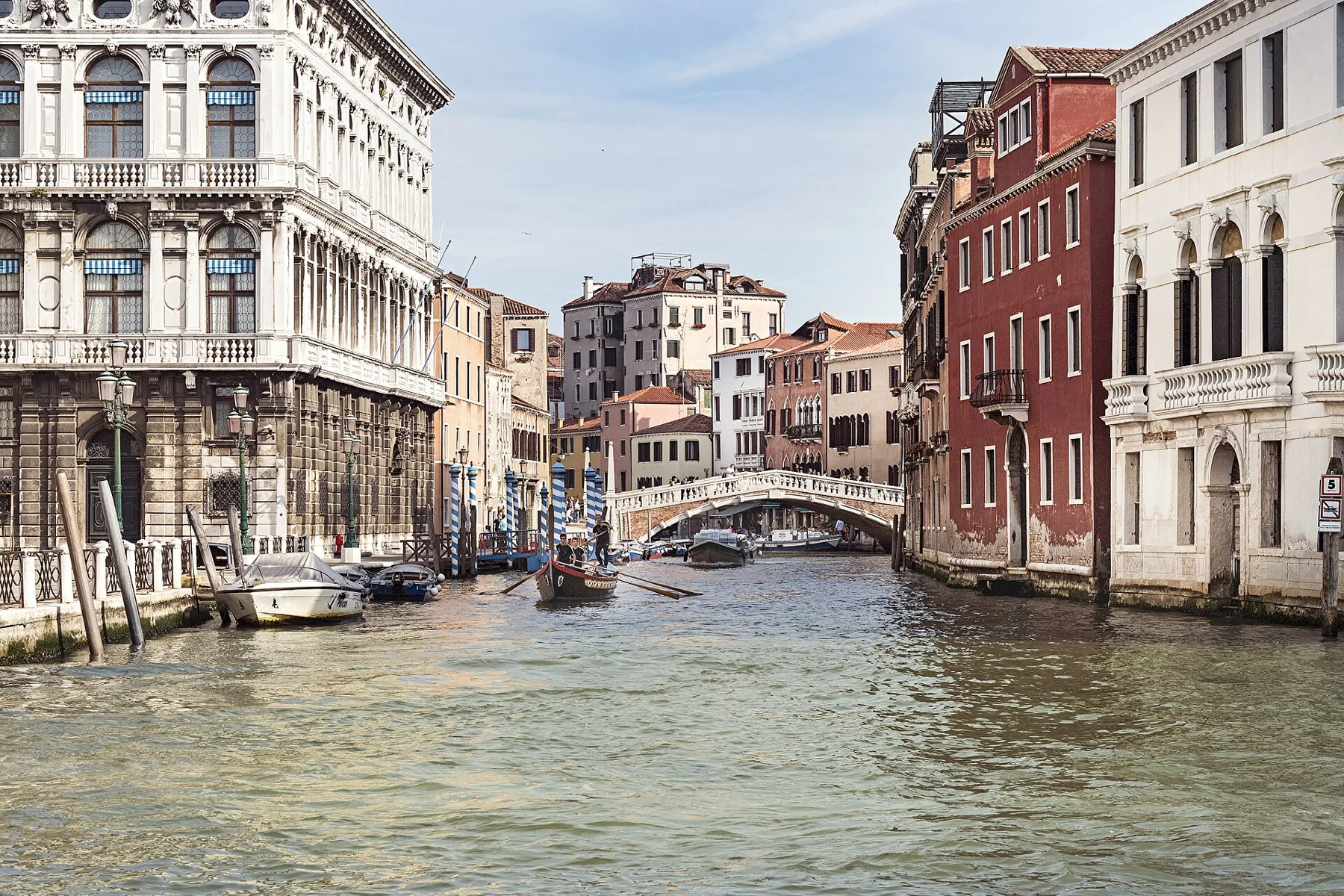
Start at Guglie and read the district's shape
Begin near Guglie, one of the guide's suggested starting points, and use the first minutes to get your bearings rather than to cover ground. Cannaregio is a large district: a hotel close to Santa Lucia station can be a considerable walk from the eastern end. That matters most if you are meeting someone or checking in later, so note your exact address and the bridges between it and this starting point before you set off.
The principal pedestrian route from the station towards Rialto is useful for orientation but does not represent the whole neighbourhood. Treat it as an edge of your route, not its content. Once you have found the canal line and the direction of the Ghetto, the day becomes a sequence of linked areas. Keep distances modest, allow for stepped bridges, and decide on a named meeting point rather than simply telling people to find you in Cannaregio.
The Jewish Ghetto, with context rather than a snapshot
The Venetian Jewish Ghetto is an essential part of the district's story. Its unusually tall residential buildings and synagogues reflect a complex history of restriction, community and cultural endurance, and it remains a place of remembrance and living religious practice. Approach it as a neighbourhood you are a guest in, not a stage set: keep voices low around services, memorials and residential entrances, and do not treat doorways or the main square as a place to linger photographing people.
A guided visit offers context a quick photograph cannot provide. The Visit Venezia guide points to the Jewish Museum's current access arrangements and religious closures as the things to check, and we would add one reminder to confirm arrangements directly with the operator before you build the day around a museum or synagogue visit. The squares give an introduction on their own, so the Ghetto can open the walk even if interiors are closed when you pass.
Ca' d'Oro and the Misericordia canal edges
From the Ghetto, continue north rather than pushing straight back into the arrival flow. The guide identifies the Fondamenta della Misericordia and the Fondamenta degli Ormesini as the canal edges where the district becomes a place to linger. Walk them without a checklist: notice how the warehouses, residential fronts and open water sit together, and how the canal side changes character as you move north and then east.
Ca' d'Oro is the one venue this guide names in this stretch, and the Visit Venezia guide keeps its own description short: Venetian Gothic, made delicate. We deliberately add no details about interiors, tickets or opening times here, because those must come from the operator's current information. If the exterior and the Grand Canal frontage are enough for you, the sighting works as a natural turn back towards the Grand Canal before you continue east.
Towards Madonna dell'Orto and beyond
If you want a quieter extension, the guide suggests wandering towards Madonna dell'Orto, with its brick church and quieter approaches, and leaving room for the area around it. This is the part of Cannaregio that rewards unhurried walking rather than pin-chasing: the streets thin out, and the appeal lies in the approaches as much as the building itself. We make no claims about whether the church is open when you arrive.
For a longer day, the guide offers two directions. Turn back towards the Grand Canal to see Ca' d'Oro, or continue east towards the lanes around Santa Maria dei Miracoli. Choose one, not both at pace. A church interior, a small shop and a long lunch will often be more memorable than trying to cover the entire district, and the half-day suggestion in our guide is a planning estimate rather than a schedule you need to keep.
Evening, islands and where to stay
Cannaregio works well for an unhurried evening of cicchetti and Venetian food, as the guide puts it. Check the counter selection and ask what is prepared that day, then eat at a venue or in a permitted public space: a private doorstep or a bridge is not a picnic area, and canal-side seating carries across the water. If you value early nights, ask about room location in a canal-side hotel before booking.
For an island day, plan the onward walk towards Fondamente Nove and consult the live waterbus timetable before committing, checking both the outbound and return times; a late connection can change the whole day. Keep the district's two transport advantages separate: proximity to the station and proximity to the island departure stops are different benefits, and neither removes the walk to your exact address. Confirm current routes, fares and any partly accessible stretches with ACTV and the relevant operators before travelling.
A practical sequence for half a day
In practice, the walk reads as Guglie, then the Ghetto, then the canal-side streets around Misericordia and Ormesini, with Madonna dell'Orto as the optional quiet extension and Ca' d'Oro or Santa Maria dei Miracoli as the return direction. That order keeps the busy arrival route behind you as early as possible and puts the most contemplative ground in the middle of the day rather than at its end. It also means that if time runs short, you can stop at the canal edges without feeling you have missed the point.
For mobility needs, check the official accessible routes and transport information before committing to any stretch, and remember that a route that looks short can include several stepped bridges. Crowds, photographs and small navigation errors are normal in these lanes; keep to one side, move aside before stopping, and leave bridges clear for people carrying goods or travelling to work. This plan is desk research drawn from our guides, reviewed in October 2026, not a substitute for current notices from the operators you plan to visit.
Keep exploring
Sources and photo credits
Independent travel editorial, drafted with AI assistance using our existing guides. Check changing practical information with official operators.
- Cannaregio — a thoughtful itinerary — Visit Venezia · 2026-11-17
- Photo: Didier Descouens · Source · CC BY-SA 4.0. Responsive image display.
