Venice Journal · 2026-11-14
Getting Around Venice: A Walking and Waterbus Itinerary
Venice is easiest to grasp as two networks laid over each other: pedestrian lanes and water routes. Walking brings you close to the city's detail, while public waterbuses link places that are awkward or impossible to reach on foot. This itinerary shows how to use both in one unhurried day, deciding where to walk, when to board and which ticket actually suits your journeys.
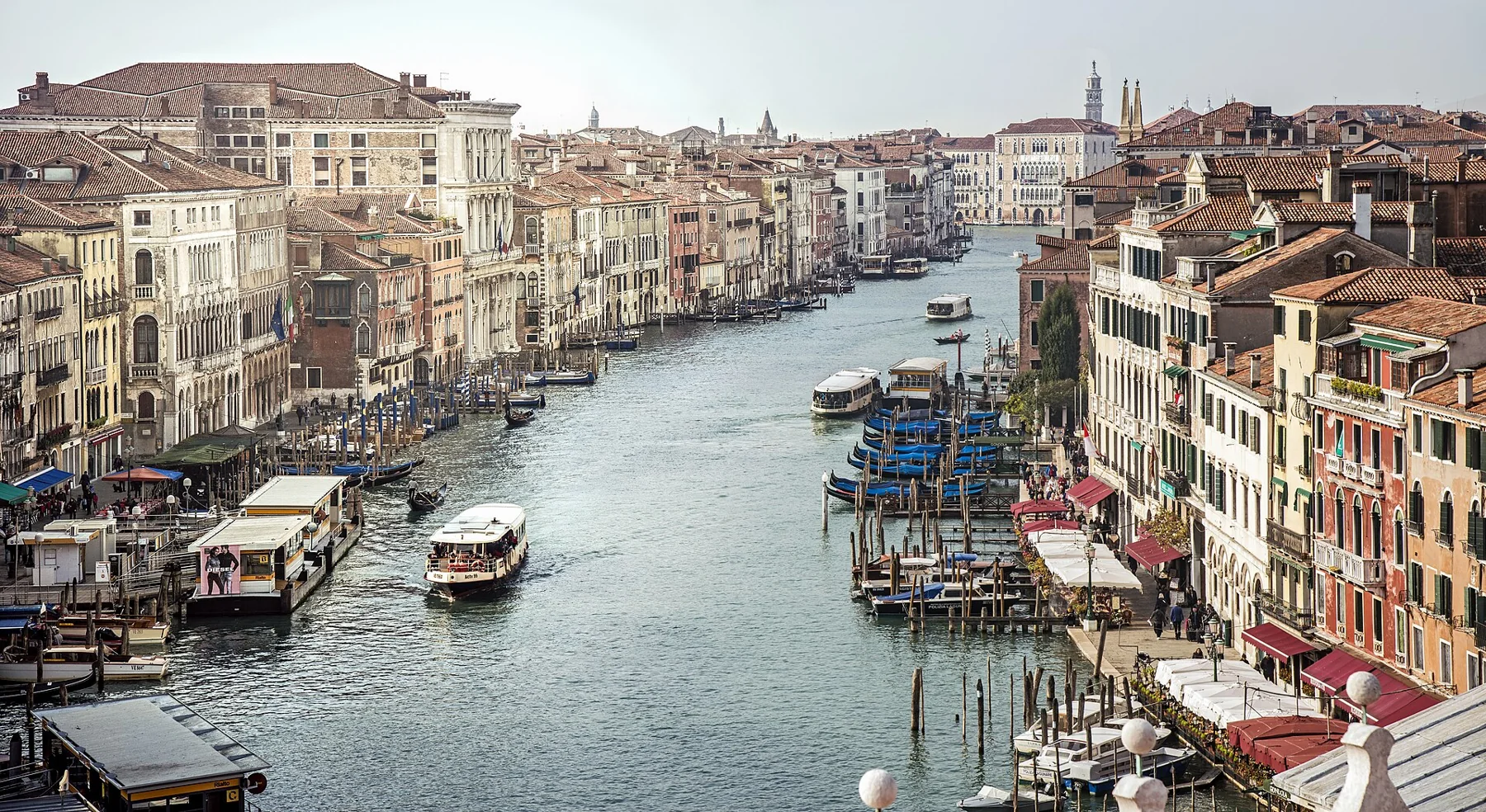
Start on foot and accept the detours
Begin in the historic centre without a rigid timetable. Expect narrow lanes, stepped bridges and streets that turn inland whenever a canal blocks the way; there is no continuous walkway along the Grand Canal. Signs pointing towards Rialto, San Marco, Ferrovia and Piazzale Roma keep you broadly oriented, but a precise address still needs a map. Treat the first stretch as orientation rather than transport, and stop when something interests you instead of saving every sight for later.
Allow more time than a simple distance estimate suggests. Crowds, photographs and small navigation errors are part of any walk here, so build slack into the morning. Keep to one side in narrow streets, step aside before stopping and leave bridges clear for people carrying goods or travelling to work. Our getting around guide, reviewed 5 October 2026, frames walking as the way to read the city's detail; the water simply connects the pieces.
Use the vaporetto as part of the day, not a transfer
Vaporetti are public waterbuses, and the landing stage is where the planning happens. Check the route number, direction and stopping pattern before you board. Larger stops can serve several platforms under one name, so the stop name alone may not tell you where to stand; read the destination list and match it to the place you need. Boarding a long queue without checking can carry you in the wrong direction.
Buy the appropriate ticket and follow ACTV's current instructions for validation at the start of each journey and when changing services as required. App tickets can have their own activation process, so sort this out before boarding rather than during an inspection. Treat one waterbus hop as a way to change the character of the day, not as a race between two sights.
Decide between single tickets and a pass
Compare a pass with the journeys you genuinely expect to make. A stay spent mostly walking may not justify the same product as days based on Giudecca or a full island outing. Pass validity is generally measured from activation or validation under the product's conditions, not by the calendar date in your plans. Read exclusions carefully too: airport travel, Alilaguna services and certain routes are not automatically included in ordinary ACTV products.
ACTV's fare page, checked for our guide on 9 October 2026, listed the standard 75-minute Rete Unica ticket at €9.50 and the Venezia Daily Pass at €25 for 24 hours. Three separate 75-minute tickets came to €28.50, so where covered journeys require three separate tickets within 24 hours the daily product cost €3.50 less at those published rates. Count ticket-validity periods rather than every boarding, since a change within a valid ticket's conditions need not require another ticket. This example excludes airport travel, supplements and concessions; prices and structures can change, so confirm current fares and eligibility before buying.
Keep gondolas, traghetti and taxis in their own category
A gondola ride is a separate sightseeing experience, not public transport. A traghetto is a short crossing at an operating point on the Grand Canal, useful when you want to reach the other bank without walking to a bridge; it is not a full canal tour. Availability and service times vary, so place either activity where it fits naturally rather than building the day around an assumption.
Private water taxis form another category. They can suit some transfers, but they are priced differently from public transport. If you consider one, confirm the full fare, luggage arrangements, destination landing and any supplements before departure. None of these options replaces an ACTV waterbus journey, and our guide keeps them deliberately separate when comparing costs.
Plan an island day with a return in hand
For Murano, Burano or other islands, check both the outbound and return timetable before leaving; a late connection can reshape the whole day. Leave room for weather and queues, especially before a fixed booking back in the city. Save a return option before you set off, so the end of the visit does not depend on improvising at a landing stage.
For mobility needs, plan with the official accessible routes and transport information rather than judging a route by its length on a map. A short-looking connection can include several stepped bridges, and our accessibility guide sets out what to verify before committing. Giudecca, Murano and San Giorgio Maggiore require boat connections, so walking alone will not cover every part of Venice. Check changing arrangements with the operator before travelling.
Keep exploring
Sources and photo credits
Independent travel editorial, drafted with AI assistance using our existing guides. Check changing practical information with official operators.
- Getting around Venice — a thoughtful itinerary — Visit Venezia · 2026-10-30
- Photo: Didier Descouens · Source · CC BY-SA 4.0. Responsive image display.
