Venice Journal · 2026-11-10
Visiting Venice Thoughtfully: Streets, Water and Everyday Choices
Venice compresses thousands of daily journeys into lanes a few steps wide. How you walk, stop, queue and spend makes an immediate difference to residents, workers and other visitors. This guide sets out practical habits for the historic centre and the lagoon, using two Visit Venezia planning guides reviewed on 5 October 2026. It is desk research, not an account of a personal visit.
Start with the two networks
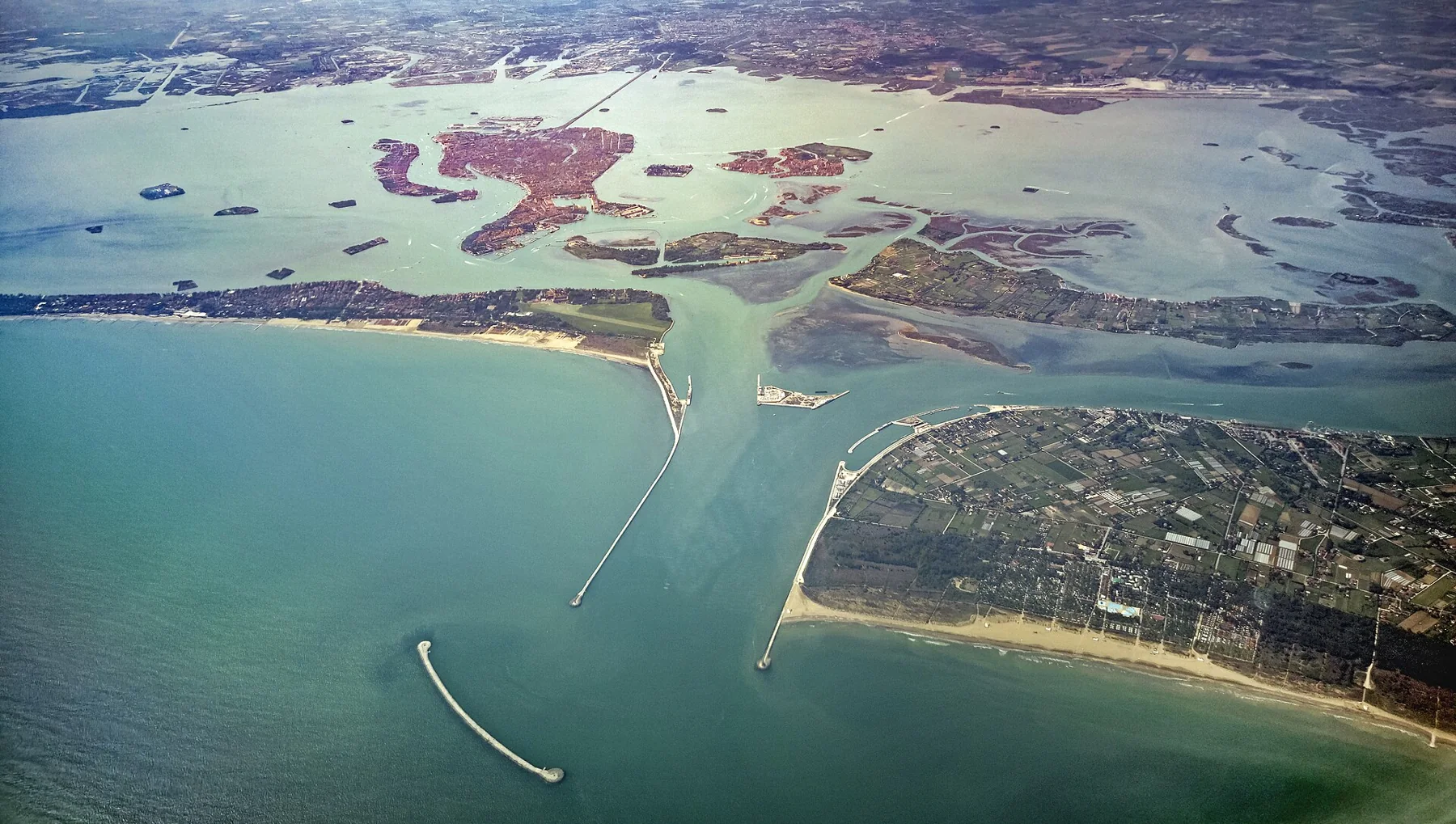
Venice works as two overlapping systems: pedestrian streets and water routes. Walking gives you the detail of the city, while waterbuses link places that are slow or impossible to reach on foot. Plan a route that uses both deliberately rather than treating every boat as a transfer to endure. Our transport guide, reviewed on 5 October 2026, describes the centre as a web of narrow lanes, stepped bridges and diversions where a canal blocks the way.
There is no continuous walkway along the Grand Canal, so a straight line on a map rarely becomes a straight walk. Signs towards Rialto, San Marco, Ferrovia and Piazzale Roma give broad direction, but a precise address still needs a map. Allow more time than a distance estimate suggests: crowds, photographs and small navigation errors are normal, and they are part of what makes a morning on foot take longer than expected.
Share narrow streets and bridge landings
Walk in manageable groups, and step aside before you consult a map or a phone. Bridges, boat landings and the narrowest passages are shared with delivery workers, residents and people with limited mobility, some of whom have no alternative route. A photograph is rarely worth blocking the only way through. Keep to one side in narrow streets and leave bridges clear for people carrying goods or travelling to work.
Respect private thresholds, residential courtyards and closed workshop doors, and ask before photographing people closely. Churches and memorial sites need particular consideration even when they appear on a sightseeing list. Our responsible-visit guide, reviewed on 5 October 2026, makes the point simply: this is a remarkable place, and somebody's home. Treating doorways and quiet corners as part of the route, not as a stage, is the easiest adjustment to make.
Spread your attention beyond the main corridor
Spend time away from the direct Rialto–San Marco corridor. Cannaregio, Santa Croce and eastern Castello offer different perspectives on the city, and the islands reveal a wider lagoon community. Going elsewhere is not an invitation to turn quiet residential corners into new gathering points: travel in small groups, keep noise down and support businesses that are actually open to visitors.
This is a planning choice as much as an ethical one. A morning in one of these areas, followed by a single well-chosen water crossing, often gives a more legible day than a rushed circuit of headline sights. Use the broad direction signs to leave the busiest flow, then slow down. If a lane looks residential, assume it is, and keep conversations and photography low-key.
Waterbuses: read the stop before you queue
Vaporetti are public waterbuses. At the landing stage, check the route number, direction and stopping pattern. Large stops can have several platforms sharing one stop name, so the name alone may not tell you where to board. Compare the destination list with the stop you actually need rather than following a long queue. Buy the appropriate ticket and follow ACTV's current validation or activation instructions at the start of each journey and when changing services as required.
Compare a pass with the journeys you realistically expect to make. Several days spent mainly walking may not justify the same product as a stay on Giudecca or a full island day. Validity is generally measured from activation or validation under the product's conditions, not by the calendar date in your plans. Read exclusions carefully: airport travel, Alilaguna services and certain routes are not automatically included in ordinary ACTV products. At the fare page checked on 9 October 2026, three separate 75-minute Rete Unica tickets cost €28.50 against €25 for a 24-hour Venezia Daily Pass; those published figures exclude airport travel, supplements and concessions, and should be rechecked before buying. Count validity periods rather than every boarding, since a change within a valid ticket's conditions may not need another ticket.
Gondolas, taxis and island timing
A gondola ride is a separate sightseeing experience, not a waterbus journey, and a traghetto is a short crossing at an operating point on the Grand Canal rather than a full canal tour; availability and service times vary. Private water taxis are another category, useful for some transfers but priced differently from public transport. Confirm the full fare, luggage arrangements, destination landing and any supplements before departure.
For Murano, Burano and other islands, check both the outbound and return timetable, because a late connection can change the whole day. Leave room for weather and queues, especially before a fixed booking back in the city. For mobility needs, plan with official accessible routes and transport information: a route that looks short can include several stepped bridges, so verify before committing. On the water, remember that urban canals are transport and working waterways, not swimming areas. On island outings, stay on public paths and permitted landing points, and do not enter salt marshes, cultivated land or wildlife habitats for a better photograph. Use established transport and excursion operators, check conditions, and leave room for the weather. Check changing arrangements with the relevant operator before travelling.
Keep exploring
Sources and photo credits
Independent travel editorial, drafted with AI assistance using our existing guides. Check changing practical information with official operators.
- Visit Venice thoughtfully — Visit Venezia · 2026-11-10
- Photo: Didier Descouens · Source · CC BY-SA 4.0. Responsive image display.
