Venice Journal · 2026-10-26
Peggy Guggenheim Collection: A Dorsoduro Modern-Art Afternoon
On the Grand Canal in Dorsoduro, the Peggy Guggenheim Collection occupies a low palace that once served as a collector's Venetian home. Its rooms and sculpture garden hold twentieth-century European and North American art in a setting that feels personal rather than institutional. This guide suggests how to approach the collection, how much time to give it, and how to build a coherent afternoon around it without hurrying through the neighbourhood.
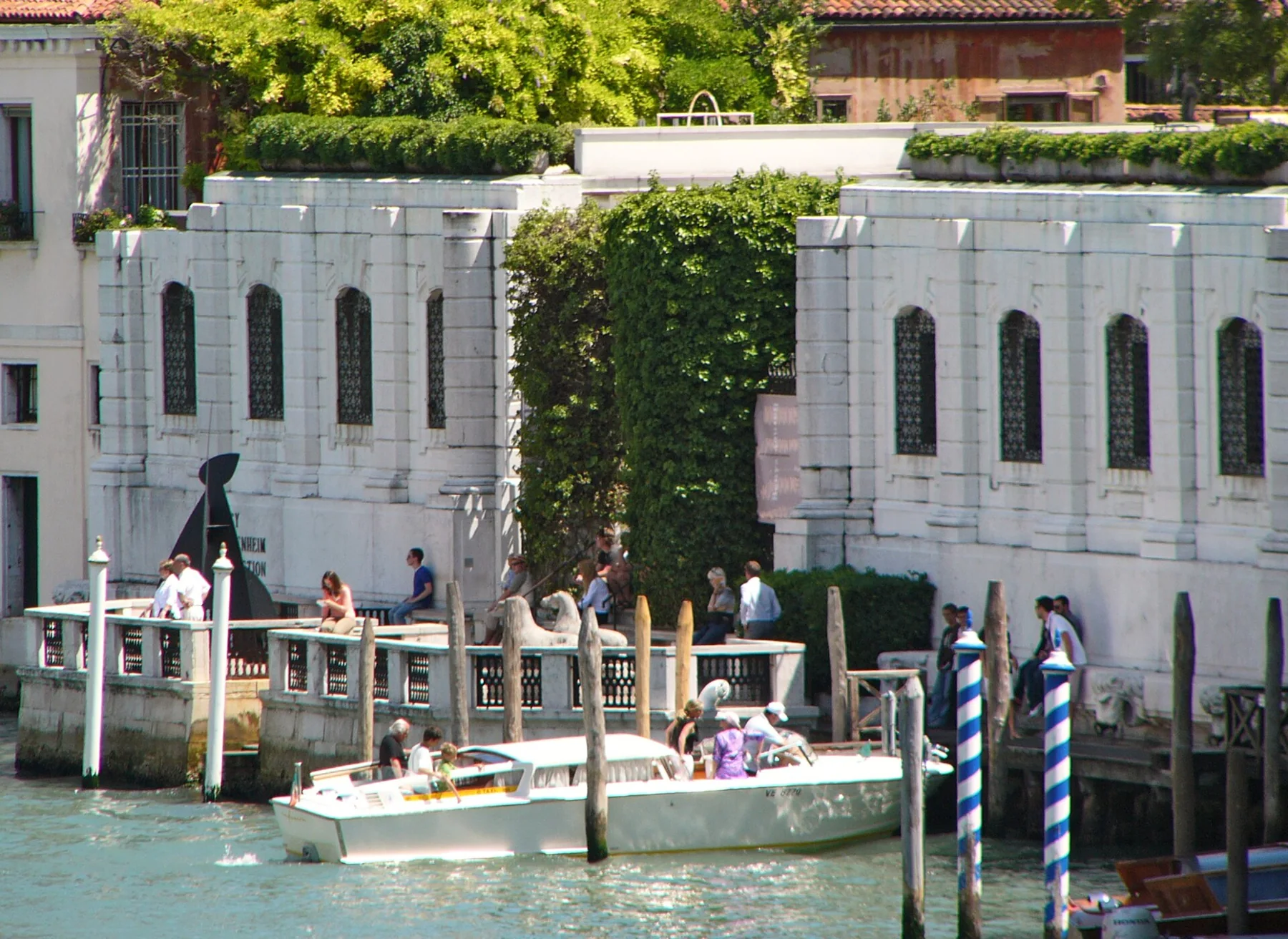
A collection shaped by one collector's choices
The museum presents major strands of European and North American modern art, and its distinctive quality lies less in a checklist of famous names than in the decisions of a collector who took part in the artistic world she supported. That framing helps first-time visitors: rather than trying to identify every movement, follow the connections between them as they appear room by room.
If modern art is unfamiliar territory, use the permanent collection as your spine and treat any temporary exhibition as a separate chapter with its own logic. Staff and scheduled presentations at the museum can offer a starting point. Arriving with one question, such as how a particular approach developed across the rooms, usually makes the visit more memorable than attempting to see everything with equal attention.
The house, the garden and the canal edge
The setting is part of the visit. Move between the indoor rooms and the sculpture garden, and notice how the low palace sits against the Grand Canal, a very different experience from grand state rooms or the scale of a large painting gallery. The garden offers a change of pace and light between the interiors, which is worth planning for rather than rushing past.
Outdoor areas can be affected by weather or by operational arrangements on the day. Treat the canal edge as part of the museum environment and follow staff instructions rather than using it as a public terrace. If you are visiting with children or in a group, agree a meeting point inside before separating, since the sequence of rooms and garden can pull people in different directions.
Practical planning: time, tickets and closures
Allow roughly ninety minutes to two hours, depending on the exhibition programme and your level of interest. Check the museum's official website for the weekly closure, holiday exceptions, current ticket arrangements, the bag policy and any recommendation to reserve a timed entry slot. Large luggage can make a museum visit impractical, so plan storage before you arrive rather than at the entrance.
Travellers with access requirements should consult the museum's dedicated information and contact it directly about specific needs, as arrangements are best confirmed with the operator rather than assumed. One brief reminder applies to everything here: verify opening times and access notices with the museum before travelling, since these can change. The suggested duration is a planning estimate, not a rule.
Getting there and ordering the afternoon
The collection sits in Dorsoduro, and the approach on foot is part of the pleasure. Venice works as two overlapping networks, pedestrian streets and water routes; the lanes here turn inland where canals block the way, so allow more time than a distance estimate suggests and expect stepped bridges. There is no continuous walkway along the Grand Canal, so a precise address still needs a map even when signs point broadly towards the district.
Vaporetti are public waterbuses, and it is worth checking the route number, direction and stopping pattern at the landing stage before boarding, since larger stops can share a name across several platforms. Validate your ticket according to the operator's current instructions at the start of each journey and when changing services as required. Compare a pass with the journeys you actually expect to make; several days spent mainly walking may not justify the same product as a stay further out.
Extending the walk: Salute, Punta della Dogana and the Zattere
Pair the collection with a walk to the Salute and Punta della Dogana, or follow the waterfront along the Zattere. These are straightforward additions in terms of district geography, but they are substantial destinations in their own right, so decide in advance which one anchors your afternoon and which is optional. Keeping room for the lanes between them is part of the point; an unhurried pause will help you absorb more than a third hurried museum stop.
The Accademia is a rewarding contrast if you want a historical counterweight, but it deserves another half day rather than being squeezed into the same visit. A waterfront break between two collections makes the day more comfortable. If you are considering an island trip on the same day, check both outbound and return timetables first, because a late connection can reshape the whole plan and leave no margin before a fixed booking.
Keep exploring
Sources and photo credits
Independent travel editorial, drafted with AI assistance using our existing guides. Check changing practical information with official operators.
- Peggy Guggenheim Collection — Visit Venezia · 2026-10-26
- Photo: G.Lanting · Source · CC BY 3.0. Responsive image display.
