Venice Journal · 2026-10-19
Museo di Palazzo Grimani: A Castello Museum Stop Near Santa Maria Formosa
Castello rewards anyone willing to walk beyond the crowded waterfront. A museum visit here can anchor a slower half-day, pairing the Grimani family's former residence near Campo Santa Maria Formosa with the lanes, campi and maritime edges of the district. This guide sets the museum within a route, so the stop adds purpose to the walk rather than interrupting it.
Locating the museum in the Rugagiuffa area
The Museo di Palazzo Grimani stands in the Rugagiuffa part of Castello, close to Campo Santa Maria Formosa. That places it within the dense, walkable heart of the district, between the western waterfront around San Zaccaria and the long, everyday stretch of Via Garibaldi. Approaching on foot through the small streets is part of the experience, and the museum sits naturally inside a morning or afternoon on this side of Venice.
Santa Maria Formosa makes a practical orientation point. From there, the surrounding lanes lead in several directions, and the museum belongs to the same compact pocket rather than to the Grand Canal. Our Castello guide describes this inland area as a counterpoint to the busy waterfront, with the monumental church of Santi Giovanni e Paolo further on. Keeping that geography in mind helps you place the museum correctly and avoid confusing it with other Venetian palazzi, including Palazzo Vendramin Grimani on the Grand Canal.
What the official website says about the visit
The museum occupies the historic residence of the Grimani family of Santa Maria Formosa, and its official website describes a route that begins in the sixteenth-century courtyard and continues through the rooms on the first floor. According to that website, the piano nobile rooms and the Tribuna display ancient sculptures. Visitors wanting precise details of the spaces shown should consult the museum's own information before setting out.
The official source is the right place to confirm arrangements that can change, such as opening times, admission, and which parts of the building are open on a given day. It is also the correct reference for any display presented as part of the route. Treat the museum website as the authority for the institution itself, and use this article only for fitting the visit into a day in Castello.
A route from the waterfront to Santa Maria Formosa
For a first walk, start at San Zaccaria, where waterbuses serve the western edge of Castello, and head inland rather than following the Riva degli Schiavoni eastwards. The lanes between the waterfront and Campo Santa Maria Formosa compress grand church facades and ordinary neighbourhood life, and they bring you to the museum without the long detour towards the Arsenale. This order keeps the museum early, while attention and energy are high.
After the museum, continue inland towards Santi Giovanni e Paolo. Our guide treats this monumental church as one of the district's landmarks, and walking between the two places shows how quickly Castello shifts from busy squares to quieter stretches. If you plan only a short outing, this inland loop is more manageable than pushing all the way to the eastern edge of the district, and it returns you towards familiar waterbus stops.
Extending the walk east
Those with more time can carry on to San Francesco della Vigna and then towards Via Garibaldi. Our Castello guide notes that these lanes offer a different perspective on the district, and Via Garibaldi's broad, everyday character makes it a natural place to pause after time spent among interiors. The walk becomes less about specific sights and more about the changing rhythm of the neighbourhood.
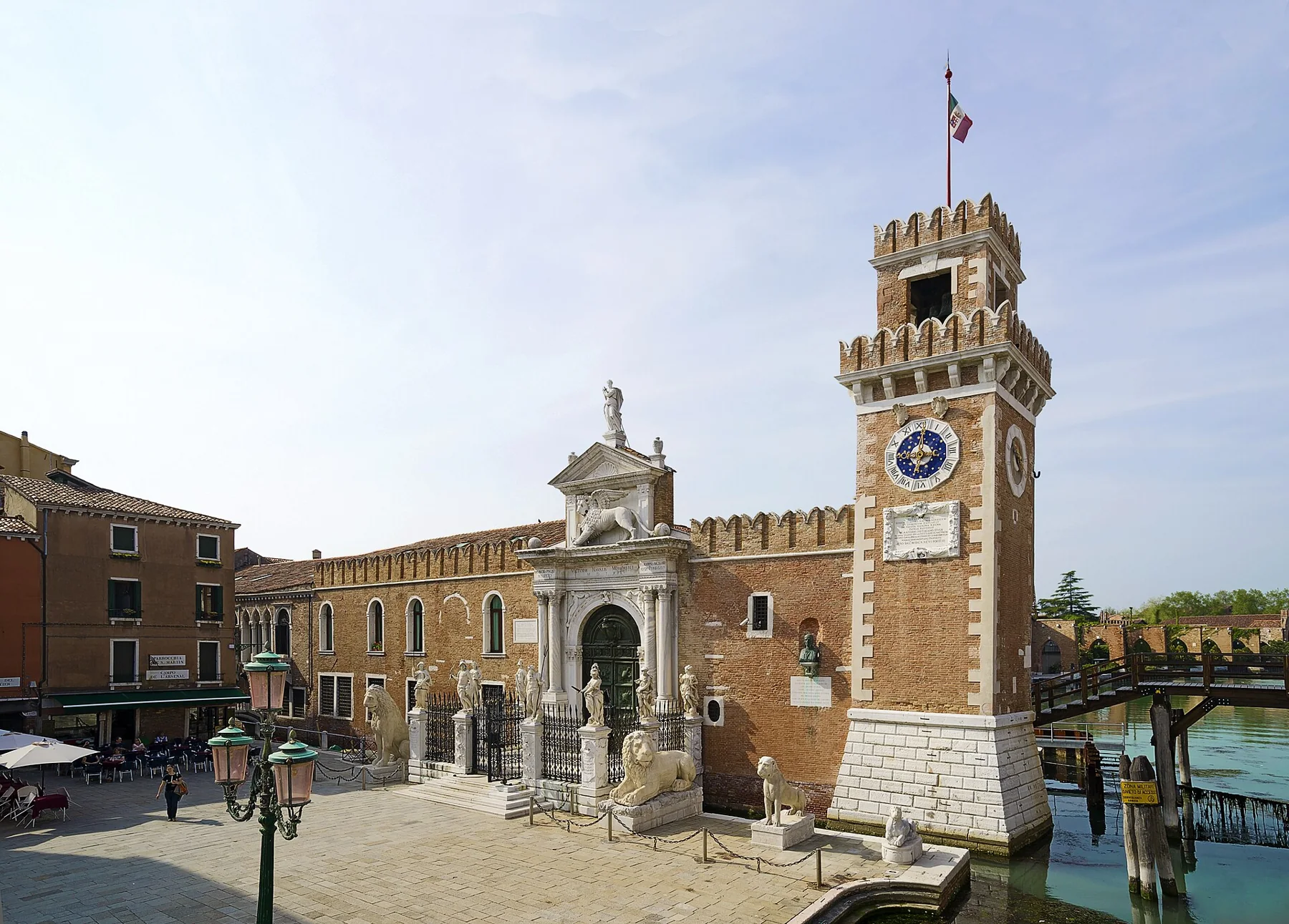
Beyond that, the Arsenale's monumental entrance can be appreciated from outside, though our guide is clear that the wider complex is not one freely accessible attraction: exhibition areas, working sites and restricted spaces have different access arrangements. The Giardini and Sant'Elena offer waterfront walking and green space further east. These are optional extensions, so decide how far you want to go before setting out rather than drifting into a much longer day.
Practical planning for the day
Castello is large, and the walk between the museum and the district's eastern edges adds up. Our guide advises checking return waterbus options before walking all the way east, particularly in poor weather. For a museum-focused visit, keeping to the Santa Maria Formosa area and perhaps Santi Giovanni e Paolo gives you a coherent half-day without depending on a long return on foot. Note your nearest stop before you start.
If your priority is an exhibition, reverse the emphasis: reserve the main part of your time for the show and treat the museum and the walk as an introduction or a conclusion. Where a garden or waterfront rest is welcome, the eastern green spaces can round off the day. Check the museum's current visitor information with the operator before travelling, and confirm which stop best serves your route and whether it includes bridges if you are staying locally.
Keep exploring
Sources and photo credits
Independent editorial profile based on the public sources below, with AI-assisted drafting. This is not a first-hand review. No commercial partnership is represented by this article. Check current arrangements directly with the venue.
- Museo di Palazzo Grimani — official source · 2026-10-19
- Photo: Didier Descouens · Source · CC BY-SA 4.0. Responsive image display.
