Venice Journal · 2026-10-08
San Polo: Markets, Masterpieces and a Thousand Turns
San Polo packs Venice into a few streets: market calls, quiet campi, brick churches with great art. This guide helps you plan a half-day or full day that flows naturally, with time to look up, pause and enjoy the district without rushing from one highlight to the next.
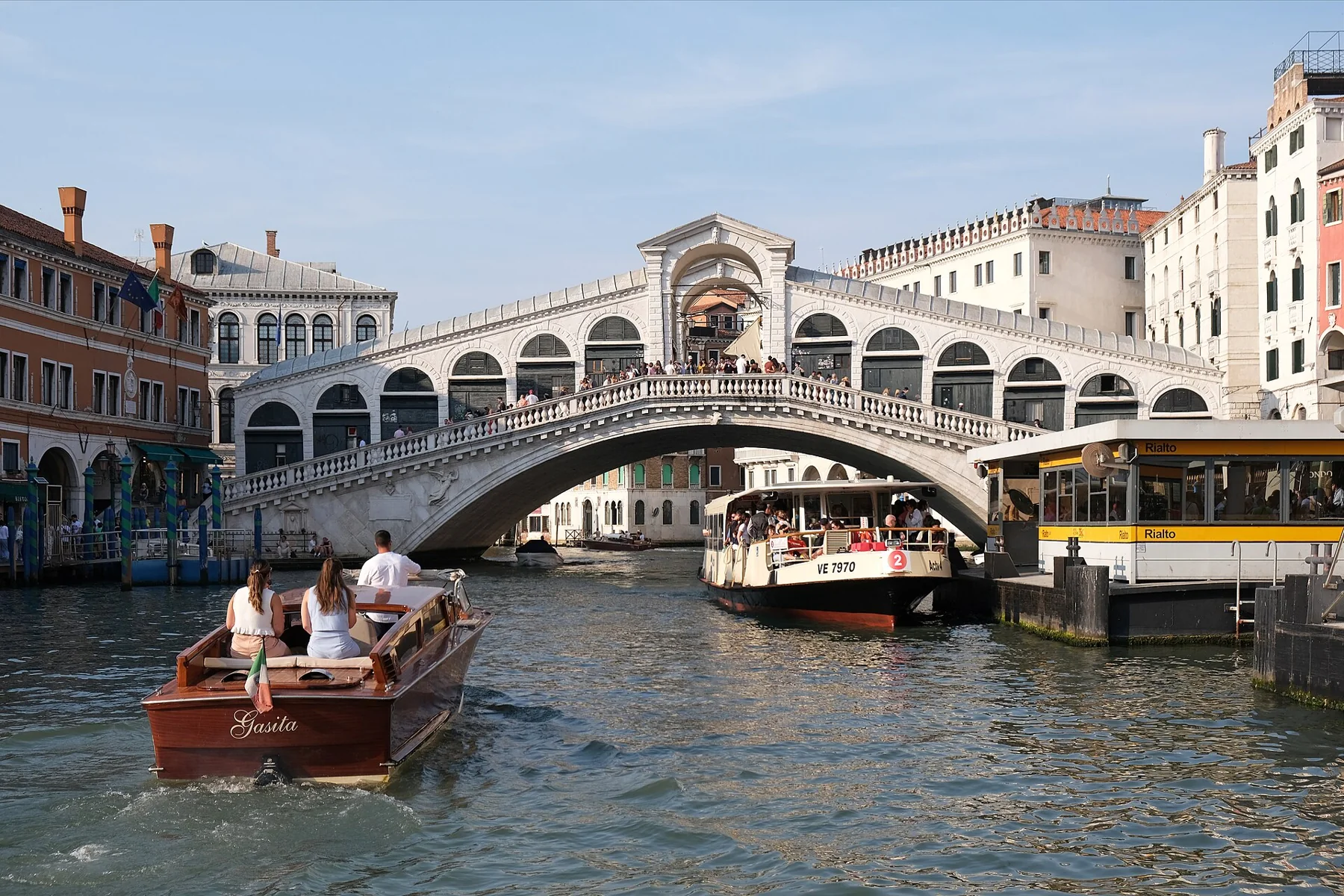
Start at the Market Side of Rialto
Cross the Rialto Bridge and you step into the part of Venice most tied to its historic markets. The lanes around the bridge buzz with shops and stalls, but the real theatre is the market itself. Arrive in the morning if you want to see it active, and check the day's trading schedule before you go. The market is a workplace: keep passageways clear, ask before photographing people closely, and don't handle produce without permission.
This is a good place to develop a habit for the day: look beyond the main thoroughfare. Side lanes often hold small shops, bakeries and bars that reward a curious eye. You don't need to buy much; the pleasure is in the exchange between vendors and buyers, the colours, the sounds.
Walk Towards Campo San Polo
From the market, head inland towards Campo San Polo. The route is not direct, and that's the point. You'll cross small bridges, pass under washing lines, and suddenly emerge into one of Venice's largest squares. Pause here. The campo is a natural break, with space to sit, watch children play and let the city slow down around you.
If you have time, loop through the surrounding lanes before continuing. This is where San Polo feels most lived-in: corner stores, neighbourhood bars, the occasional workshop. The maze is part of the experience, so don't fight it. Small signs usually point to bigger destinations like the Frari or San Rocco, not to the next street you need, so use them as rough compass points rather than turn-by-turn directions.
Two Interiors: Frari and San Rocco
The Basilica dei Frari and the Scuola Grande di San Rocco make an excellent art-focused pairing. At the Frari, paintings and sculptural monuments inhabit a spacious church. At San Rocco, Tintoretto's narrative cycles surround you across walls and ceilings. Allow enough time for both, with a break between them. They are independent venues, and church access can be affected by worship.
Comparing their different light, scale and purpose is more rewarding than trying to count masterpieces. Check current opening times, prices and access with the venues directly before you go, as these can change. The walk between them is short but full of turns, so keep an eye on your map and enjoy the detours.
Eating and Drinking in San Polo
San Polo is well suited to a lunch built around cicchetti, the small bites served in neighbourhood bàcari. Order a few, see what you enjoy, and ask what has just been made. Cicchetti vary by venue and season, so you might find bread with toppings, seafood, vegetables or other counter preparations. A stop like this can be a light meal or a pause between walks.
Check how ordering and seating work. Some places are geared towards standing at the counter; others offer tables or a fuller menu. For a sit-down meal, read prices and service conditions first. Ask about any cover charge and what is included. If you have allergies or dietary requirements, speak directly with the venue about ingredients and preparation. For a specific restaurant or a popular evening, booking directly is sensible.
Practical Routes and Getting Around
If you have the energy for another substantial interior, add San Rocco, then continue towards Santa Croce or down towards Dorsoduro. The route is deliberately flexible: if a lane ends at the water, retrace your steps and use the next bridge. There is rarely a reason to rush.
San Polo is useful for access to both sides of the Grand Canal via Rialto, but the district's interior can involve several bridges from a vaporetto stop. Verify the nearest useful stop for your arrival route, especially with luggage or reduced mobility. Walking in Venice involves narrow lanes, stepped bridges and routes that turn inland when a canal blocks the way. Allow more time than a distance estimate suggests.
If you plan to use vaporetti, check the route number, direction and stopping pattern at the landing stage. Buy the appropriate ticket and validate it according to ACTV's current instructions. Compare a pass with the journeys you actually expect to make. For islands like Murano or Burano, check both outbound and return timetables. For mobility needs, plan with official accessible routes and transport information. Check current opening times, prices, access and service notices with the relevant operator before travelling.
Keep exploring
Sources and photo credits
Independent travel editorial, drafted with AI assistance using our existing guides. Check changing practical information with official operators.
- San Polo — Visit Venezia · 2026-10-08
- Photo: kallerna · Source · CC BY-SA 4.0. Responsive image display.
