Venice Journal · 2026-10-06
Al Covo and a Castello Food Walk
Castello rewards slow wandering. Start near the waterfront, drift inland past busy squares, and finish where the city opens toward the lagoon. Along the way, food traditions reflect the lagoon, the Veneto and the island of Sant'Erasmo. This guide sketches a practical day around Ristorante Al Covo.
Why Castello for a Food Day
Castello begins close to Venice's busiest waterfront but stretches east into residential lanes, maritime history and open edges. It is a district of contrasts: monumental churches near San Zaccaria and Santi Giovanni e Paolo, the Arsenale's long walls, and quieter stretches toward Sant'Elena. That mix makes it a natural setting for a food-focused walk, because you can combine a landmark morning with a meal and still avoid zigzagging across the city.
Plan a route that flows west to east: Riva degli Schiavoni, the Arsenale exterior, Via Garibaldi, then the Giardini area. This order keeps you moving forward rather than doubling back, and it puts you near several waterbus stops if the weather turns or your legs tire. Castello is large, so check your return options before walking all the way to its eastern edge.
Al Covo and its producers
According to its official website, Al Covo is a Benelli-family restaurant at Castello 3968, opened in 1987. It describes working with small producers from the lagoon and surrounding mainland, including involvement in the Sant’Erasmo growing project Osti in Orto.
Lagoon Produce and What to Eat
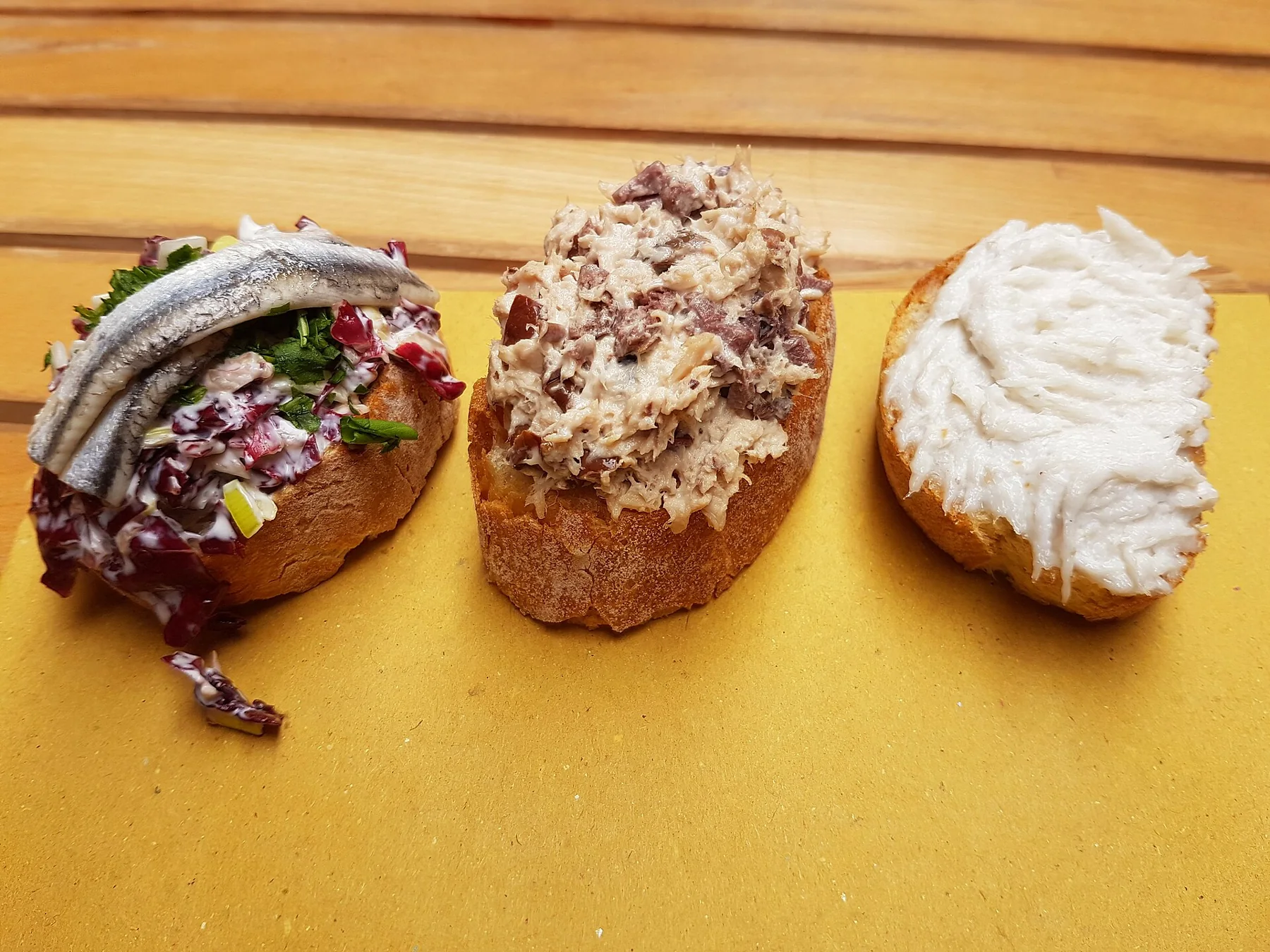
Venetian food makes more sense when you think about the lagoon, trade and the surrounding countryside. Cicchetti are a good starting point: small bites that vary by venue and season, from bread with toppings to seafood and vegetables. Some bàcari are geared to standing at the counter; others offer tables. Ask what has just been made, and check how ordering and seating work before you settle in.
Look for baccalà mantecato, whipped stockfish often served on bread or polenta, and sarde in saor, sardines with sweet-sour onion. Seafood and risotti reflect a close relationship with the lagoon, though recipes and availability vary. Vegetables matter too: seasonal produce from the lagoon islands and the Veneto can be a highlight, including artichokes associated with Sant'Erasmo. Ask what is in season rather than expecting every dish throughout the year.
Read prices and service conditions before ordering. Check whether fish is priced per portion or by weight, and ask about any cover charge and what it includes. A shorter, coherent menu can make a kitchen's focus easier to understand, but no single sign guarantees quality. For allergies or dietary requirements, speak directly with the venue about ingredients and preparation.
A Walk That Builds an Appetite
Begin at San Zaccaria and walk along the Riva degli Schiavoni, where the waterfront is grand but heavily visited. Turn inland toward Campo Santa Maria Formosa and the church of Santi Giovanni e Paolo. Continue east through the lanes around San Francesco della Vigna, then follow Via Garibaldi, a broad street lined with everyday shops and places to eat.
If time allows, extend to the Giardini and Sant'Elena, where waterfront paths and green space offer a contrast to the denser centre. San Pietro di Castello adds another layer of history: its church was Venice's cathedral before that role moved to St Mark's. Treat the area with the same consideration for residents and religious services as anywhere else in the city.
Sant'Erasmo and the Wider Lagoon
Sant'Erasmo shows a Venice of fields, orchards and wide skies. The island is closely associated with produce grown for the Venetian table, including its celebrated artichokes. Fields and orchards are workplaces, so enjoy them from public routes unless a producer has explicitly invited visitors. This is a good place to understand the connection between the city and the land and water that supply it.
Getting there takes planning. Use the current ACTV timetable to choose the right island stop; Sant'Erasmo has more than one landing point, and choosing badly can add a substantial walk. If you cycle, confirm rental availability and collection arrangements before travelling. Bring water, weather protection and a charged phone. Treat the island as a dedicated slower excursion rather than a quick addition to Murano and Burano.
Practical Notes for the Day
Reserve directly with any restaurant you have your heart set on, especially for a popular evening, and confirm current opening times, prices and access with the venue or operator before travelling. Keep a few alternative options in mind so the day does not depend on a single door being open. In warm months, carry water and plan shade; in cooler months, check waterbus routes for changes.
The pleasure of Castello is in the mix: maritime history, working streets, lagoon vegetables and the slow reveal of the city's eastern edge. Build the day around a clear route, leave room for an unplanned cicchetti stop, and let the cooking speak for itself.
Keep exploring
Sources and photo credits
Independent editorial profile based on the public sources below, with AI-assisted drafting. This is not a first-hand review. No commercial partnership is represented by this article. Check current arrangements directly with the venue.
- Ristorante Al Covo — official source · 2026-10-06
- Photo: Benreis · Source · CC BY-SA 4.0. Responsive image display.
.jpg)